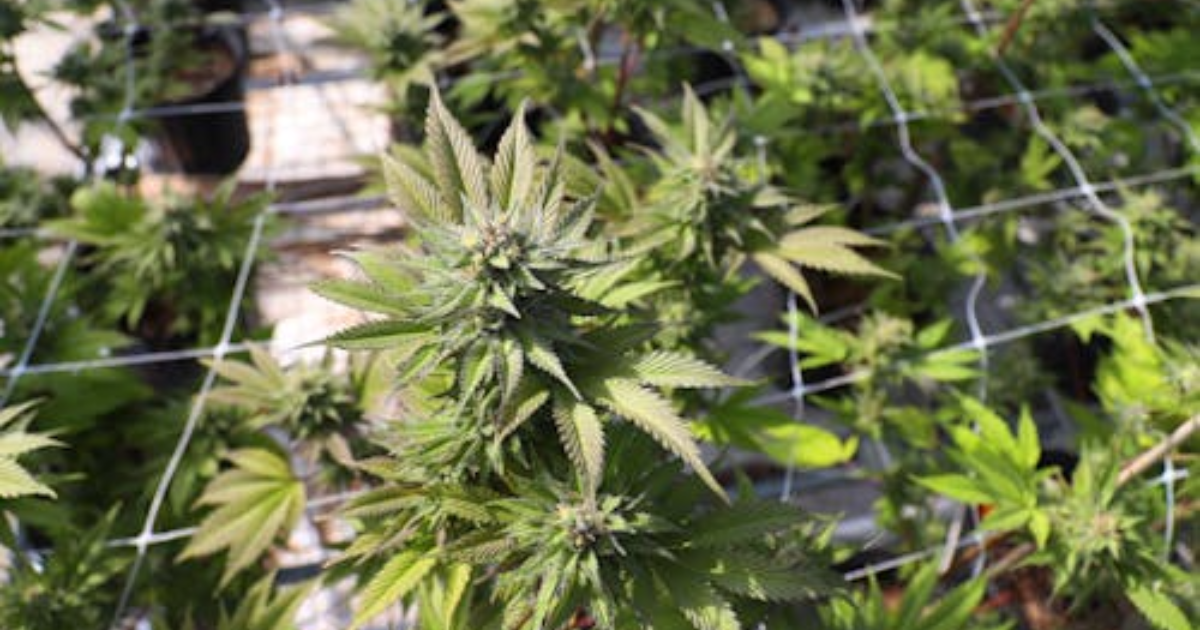
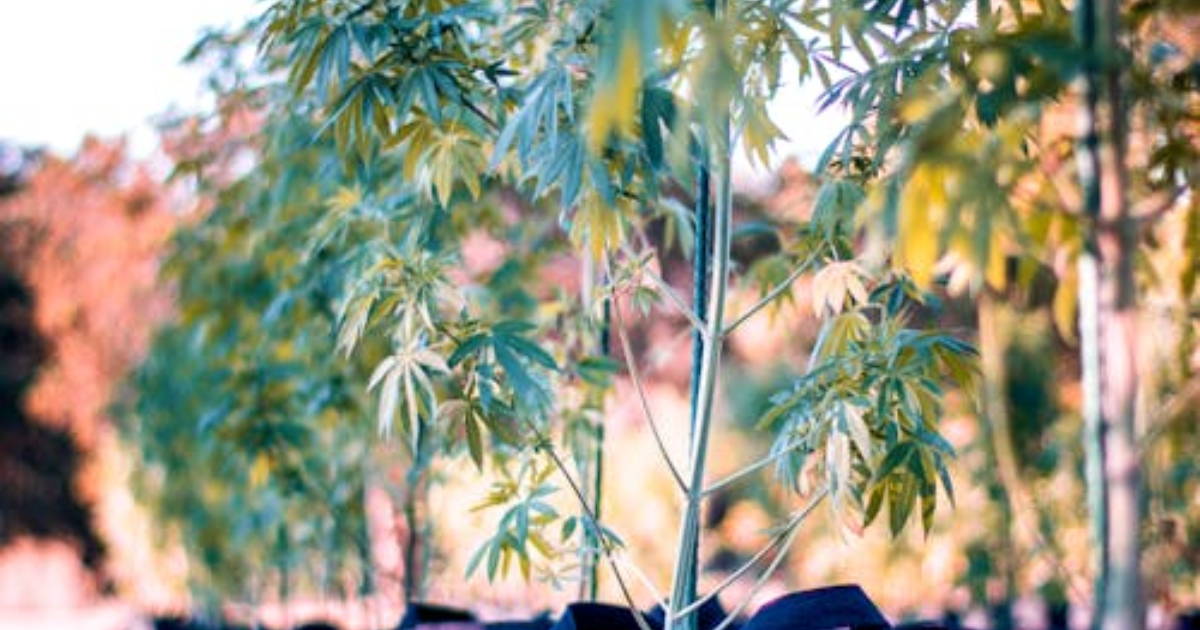
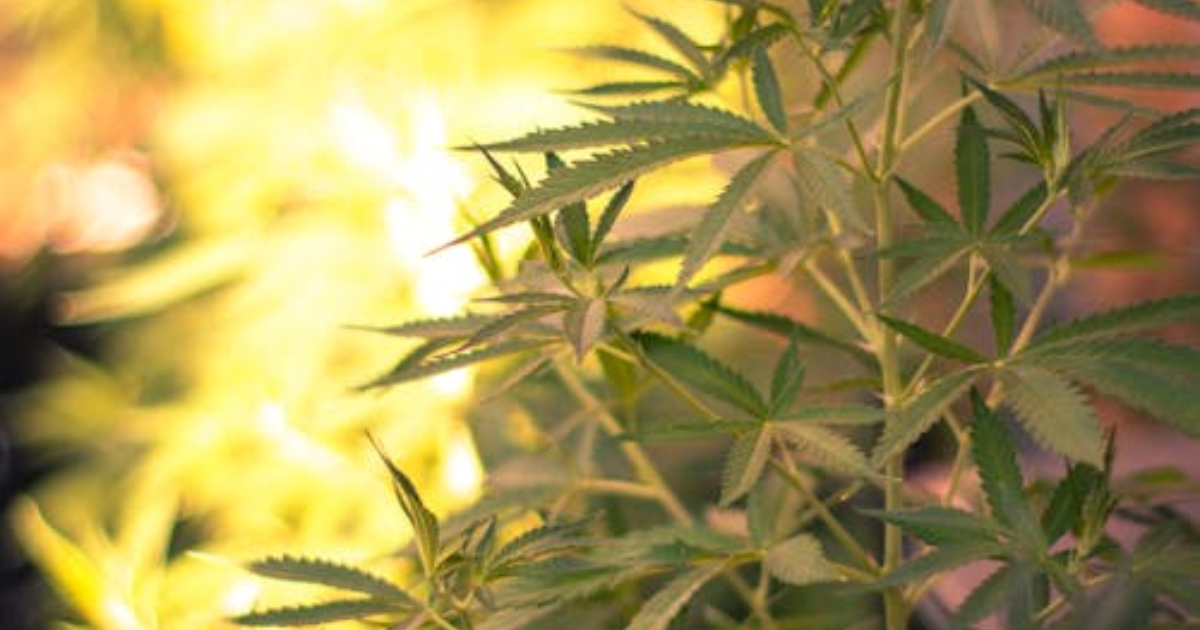
If you’re planning an outdoor cannabis grow in Canada this spring, one question looms larger than most: What are the frost dates for this season?
In fact, you ask when it is actually safe to plant — and when does frost become a threat again?
Canada is vast, and frost dates vary dramatically from coast to coast. Knowing your local last spring frost and first fall frost dates is one of the most practical things you can do to plan a successful outdoor season. Unlike indoor grows where climate is controlled, outdoor cannabis must align with real weather and sunlight — and frost doesn’t negotiate.
Below, we break down the frost dates for major provinces and key cities, explain why they matter for clone growers!
Before moving ahead, don’t forget to check our Outdoor Spring Bundle Pack 1 and Outdoor Spring Bundle Pack 2, curated specifically for the spring season!
What “Frost Date” Actually Means
Before we dive into numbers, it’s important to understand the terminology.
A frost date refers to when temperatures drop to 0°C (32°F) — the point where frost forms and tender plant tissues can freeze and die. The “last frost” in spring is the average approximate date after which frost is unlikely to occur. Similarly, the “first frost” in fall signals the end of a typical frost-free growing season.
These dates are averages, not guarantees. Some years frost arrives early or late — weather is inherently unpredictable. Still, these dates let growers plan a safe window for outdoor planting and harvest.
Data from Canada’s weather patterns and historical averages gives us a reliable baseline for major regions.
Why Frost Dates Are Critical for Outdoor Cannabis Clones Growing
Cannabis clones transplanted outdoors too early can get damaged — or even killed — by frost. For most growers, frost damage means:
- Stunted growth
- Burns or brown leaf edges
- Deformed buds
- Increased disease pressure
In practice, cannabis starts to slow down below 10°C (50°F) at night long before frost arrives, and true freezing temperatures almost always kill new growth outright.
That’s why outdoor growers must treat frost dates as deadlines. Plant too soon and your season may not fully develop. Wait too long and you risk compressing the growing window so much that plants never finish their flowering cycle.
Read more: How to Choose the Right Clone for Spring Growth
Frost Dates Across Major Provinces (Spring & Fall)
Here’s a realistic look at average last spring frost and first fall frost dates for key Canadian regions. These figures are based on historical averages compiled from Environment Canada-derived data and gardening climate guides:
British Columbia (BC Coast & Interior)
BC’s coastal climate offers some of the longest frost-free windows in Canada, but interior valleys can still see late spring freezes.
Alberta
Alberta’s climate typically provides between ~115–130 frost-free days — much shorter than coastal BC, and growers need to plan around that compressed window.
Saskatchewan & Manitoba (The Prairies)
Prairie provinces are known for very sharp seasonal transitions — long, intense days in summer but rapid cooling in fall — which means outdoor clones must be chosen to finish efficiently and early.
Ontario
Southern Ontario generally provides a solid outdoor season, but freeze risk can linger unpredictably into May or early June in cooler years.
Quebec
Quebec’s high humidity combined with its frost window means growers must balance moisture management with tight seasonal timing.
Atlantic Canada
The Atlantic region generally enjoys more moderate winters and longer growing seasons than the Prairies, but spring frost risk is still real in May.
Northern Canada
In the territories (Yukon, Northwest Territories, Nunavut), frost can linger into June, and fall frost can arrive as early as late August to early September. These regions have the shortest frost-free windows in the country and present unique challenges for outdoor growers.
How Frost Dates Affect Clone Planting and Harvest
Here’s why these numbers matter in a practical sense:
- Planting too early: Clones exposed to frost risk can stall or suffer tissue damage. Even a light freeze damages new growth.
- Planting too late: Shortens the flowering window and puts pressure on your harvest timing.
- Fall frost: Can wreak havoc on buds if plants aren’t harvested or protected in time.
Growers often plan backwards from average first fall frost dates. For example, if a region’s first frost is typically in late September, growers might aim to finish flowering by mid-September to avoid risk.
It’s also worth noting that frost dates are averages. Some years will see frost later than average, even into October in unexpected regions. Always check local forecasts as the season progresses.
Frost Doesn’t Always Mean Death — But It’s Risky
Not all frost is equal.
A light frost — temperatures dipping slightly below 0°C — can kill tender leaves and buds. A moderate to hard freeze can damage stems, roots, and essential plant tissue. Growers should watch for forecasts of temperatures near freezing and take protective measures, such as covering plants overnight or delaying transplanting.
Canadian Gardening experts describe frost as any temperature dipping to 0°C or below that can form ice on plant surfaces.
Tips for Working With Frost Dates
Because frost dates are averages, most savvy growers:
- Monitor local forecasts daily in spring and fall.
- Use frost-free dates as guides, not guarantees.
- Harden plants off slowly if spring nights are borderline cold.
- Have covering options ready for unexpected cold snaps.
- Plan harvest windows around first frost dates, not after.
Applying these principles helps make your outdoor season less about luck and more about preparation.
Final Thoughts
Every province in Canada has its own frost rhythm. From coastal British Columbia, where last spring frost can occur as early as March, to Northern Canada where frost lingers into June, the variation is enormous.
By understanding your province’s typical frost window — and treating those numbers as planning tools, not guarantees — you position your outdoor cannabis grow for the most success. Pay attention to local patterns, respect the climate, and plan your planting and harvest around frost, not wishful thinking. That’s how growers consistently squeeze the most out of the Canadian outdoor season — year after year.