If there’s one environmental factor Canadian cannabis growers worry about most, it’s humidity.
Humidity alone isn’t always a problem during early plant growth. In fact, cannabis plants can handle fairly humid conditions during the vegetative stage.
But once flowering begins, humidity becomes a much bigger risk.
That’s why flowering speed—how quickly a plant completes its flowering cycle—can have a direct impact on how well it survives Canada’s fall weather.
Understanding this relationship can help growers choose genetics that finish safely before humidity becomes a serious threat.
Before moving ahead, don’t forget to check our Outdoor Spring Bundle Pack 1 and Outdoor Spring Bundle Pack 2 curated specifically for the spring season!
Why Flowering Stage Is the Most Vulnerable
Cannabis plants become more vulnerable to mold once they start producing dense flowers.
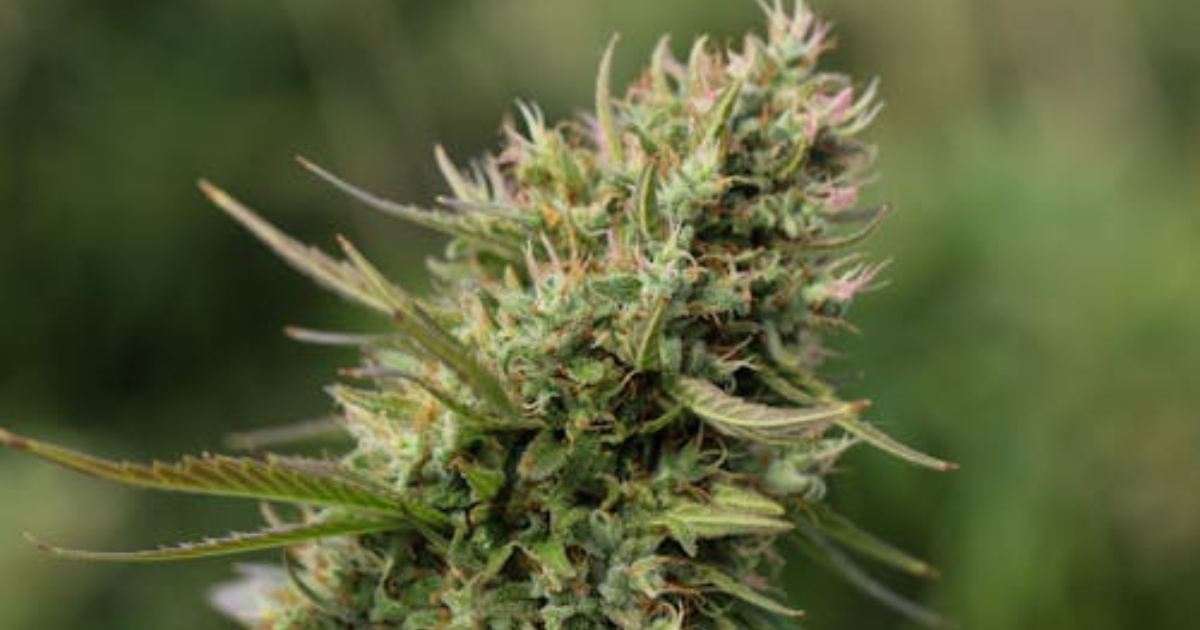
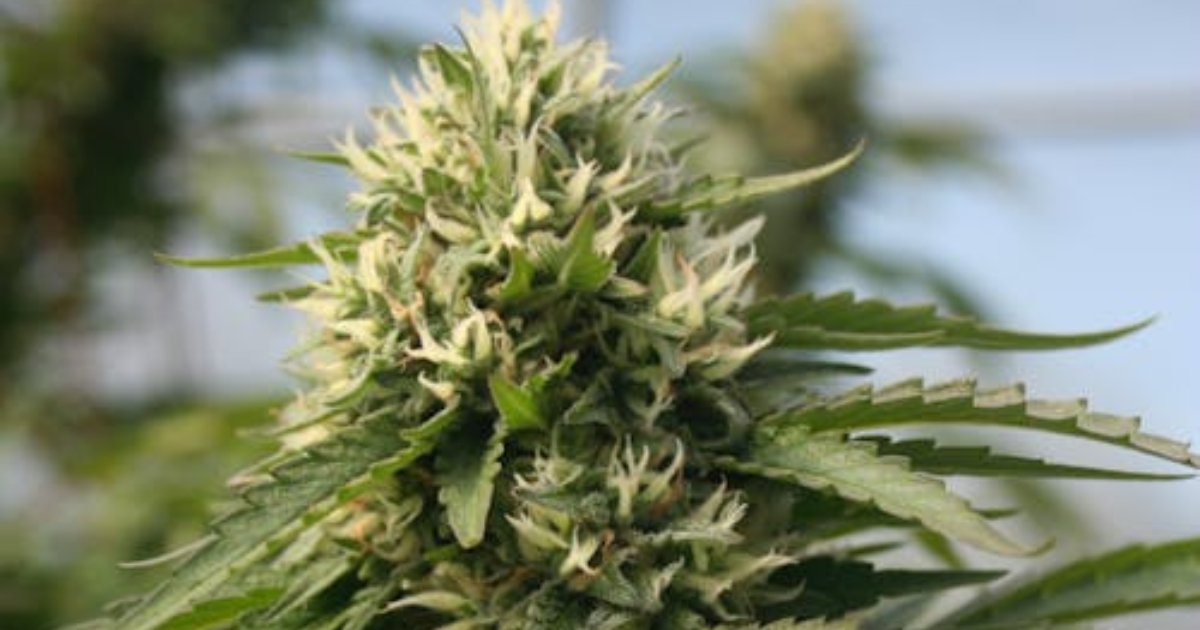
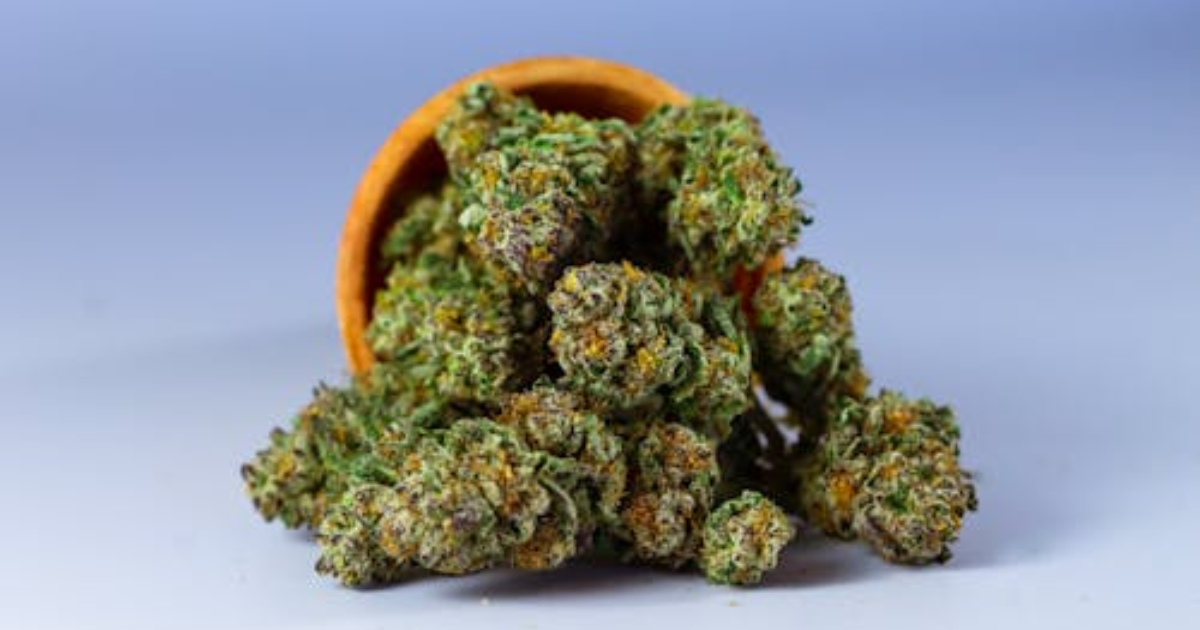
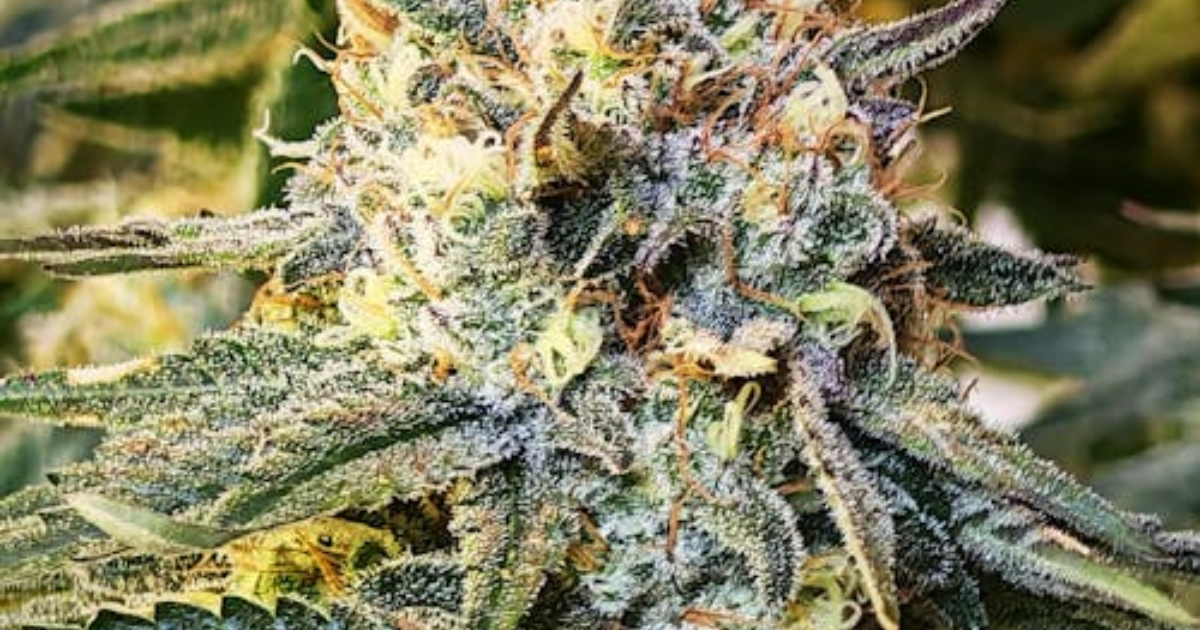
During flowering, buds develop tightly packed structures that trap air and moisture.
As these flowers grow larger, they create internal environments where humidity levels can become much higher than the surrounding air.
Note that, humidity inside cannabis flowers are often significantly higher than the ambient environment.
This trapped moisture can create ideal conditions for fungal pathogens.
Bud Rot Is the Biggest Concern
The most destructive fungal disease affecting cannabis flowers is bud rot, caused by the pathogen Botrytis cinerea.
This fungus infects the interior of cannabis buds and spreads quickly once conditions become favorable.
Scientific reviews note that Botrytis infections thrive in high humidity environments with moderate temperatures, conditions frequently seen during late summer and early fall.
Because infections often begin deep inside the buds, growers may not notice the problem until significant damage has already occurred.
Fall Humidity Is Common Across Canada
Late summer and early fall often bring rising humidity levels across many Canadian regions.
Morning dew, rainfall, and cooler nighttime temperatures allow moisture to remain on plant surfaces longer.
This means plants that are still flowering deep into October may face:
- repeated wet conditions
- slow drying times
- trapped moisture inside dense buds
These conditions dramatically increase mold risk.
Read more about How to Spot a Weak Cannabis Clonehere!
Faster Flowering Reduces Exposure
This is where flowering speed becomes extremely important.
Plants that finish their flowering cycle earlier simply spend less time exposed to dangerous fall humidity.
For example:
- A strain that flowers for 7 weeks may finish by late September.
- A strain that flowers for 10 weeks may still be maturing in late October.
That extra time outdoors can expose plants to weeks of high humidity and rain.
Even a small difference in flowering duration can dramatically change the level of environmental risk.
Genetics Play a Major Role
Flowering speed is largely controlled by genetics.
Some cannabis strains naturally develop flowers quickly and reach maturity faster.
Others take longer to finish.
Research into cannabis development shows that flowering stages and genetic differences strongly influence plant development and cannabinoid production patterns.
Because genetics influence how quickly flowers mature, selecting appropriate strains is one of the most important decisions outdoor growers can make.
Humidity Can Affect Flower Development
Humidity doesn’t only affect mold risk—it can also influence how cannabis flowers develop.
Research examining cannabis grown under different humidity conditions found that high relative humidity levels can alter flower development and reduce cannabinoid concentrations compared with lower humidity environments.
In other words, even if mold doesn’t appear, excessive humidity can still affect the quality of the final harvest.
Dense Buds Increase Risk
Some cannabis strains naturally produce extremely dense flowers.
While dense buds can look impressive, they are more likely to trap moisture.
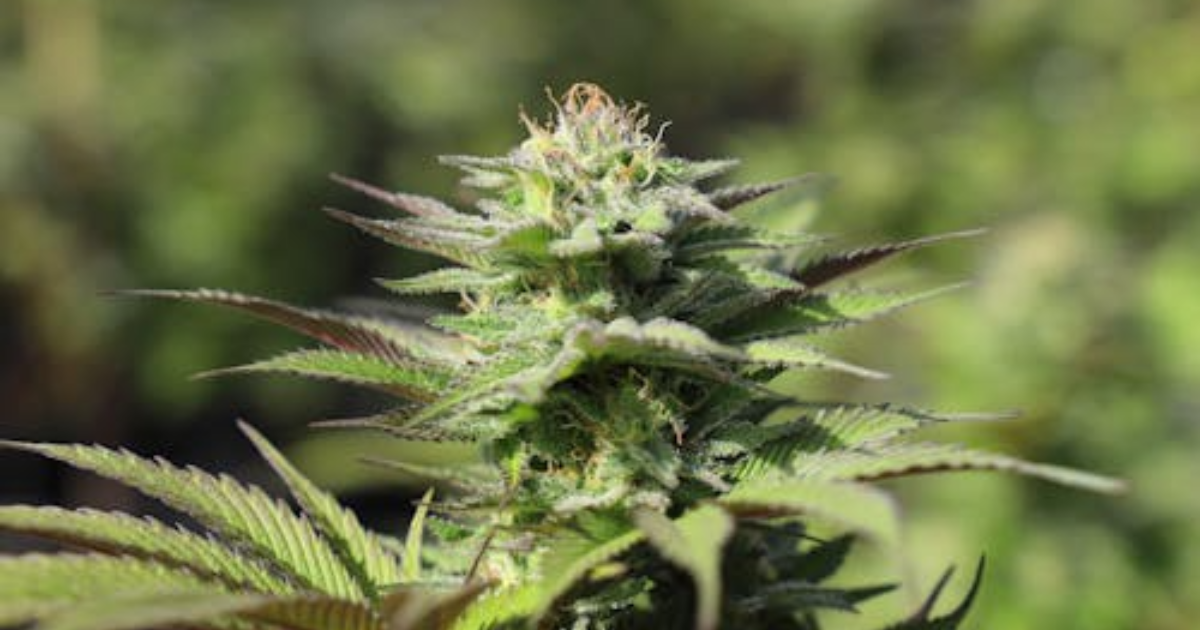
Loose, airy flower structures allow better airflow and reduce moisture buildup.
Because of this, growers in humid climates often prefer strains with slightly looser bud structures.
These plants tend to handle fall conditions more safely.
Airflow and Plant Structure Still Matter
Even with fast‑flowering genetics, growers must still manage plant structure carefully.
Techniques such as pruning lower branches and thinning interior growth help improve airflow through the canopy.
Better airflow helps plants dry faster after rain or dew.
Plants that dry quickly are less likely to develop fungal infections.
The Best Strategy Is Finishing Before Humidity Peaks
Many experienced Canadian growers design their entire season around this simple principle:
Finish flowering before peak fall humidity arrives.
That usually means selecting genetics that can finish by late September or early October.
By harvesting earlier, growers can avoid the weeks when mold pressure is highest.
Final Thoughts
Flowering speed and fall humidity are closely connected in outdoor cannabis cultivation.
Plants that take longer to flower face greater exposure to humid fall weather—and greater risk of mold.
But plants that finish earlier often avoid the most dangerous environmental conditions entirely.
For Canadian growers working with short seasons and unpredictable weather, choosing faster‑flowering genetics is often the safest path to a healthy harvest.