Most outdoor cannabis growers face a difficult decision every fall.
Should you leave your plants outside a little longer to gain more weight?
Or should you harvest earlier while the plants are still healthy?
Many growers assume that waiting longer automatically produces better yields and stronger potency.
But that’s not always true.
In fact, harvesting within an earlier window can actually protect terpene quality and preserve more usable yield, especially in climates like Canada where fall weather becomes unpredictable.
Let’s explore why timing matters so much during the final weeks of flowering.
Before moving ahead, don’t forget to check our Outdoor Spring Bundle Pack 1 and Outdoor Spring Bundle Pack 2, curated specifically for the spring season!
The Final Weeks Are the Most Fragile
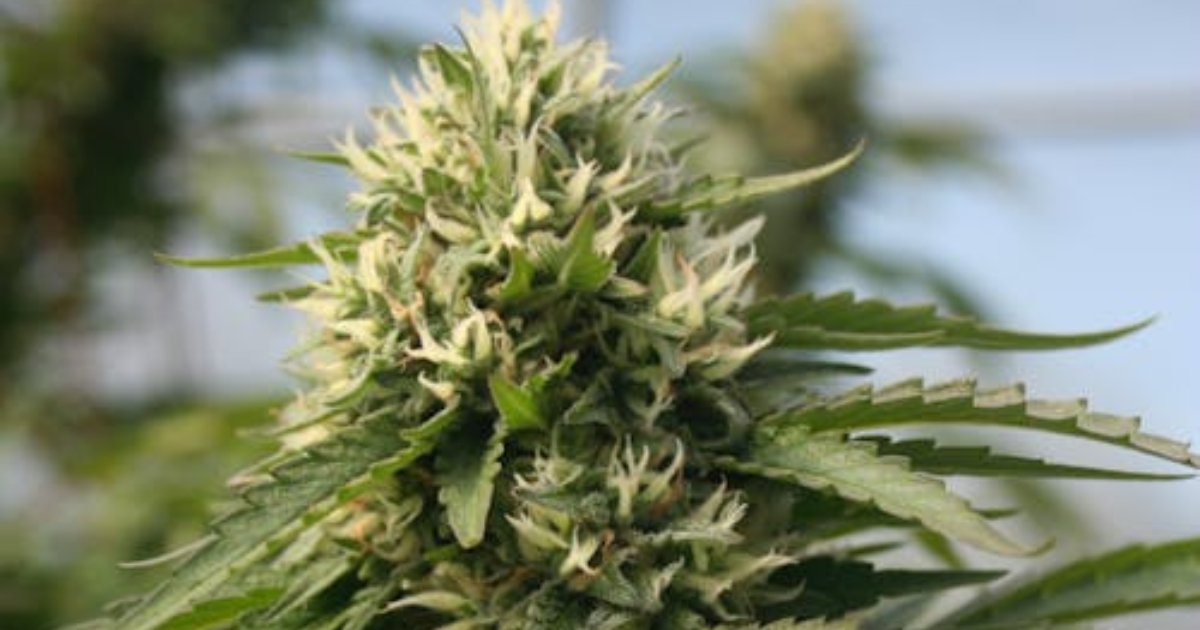
The last few weeks of flowering are when cannabis plants produce their most valuable compounds.
During this stage:
- resin glands swell
- cannabinoids mature
- terpenes develop aromatic profiles
But this stage is also when plants become most vulnerable to environmental stress.
Rain, humidity, and temperature swings can all interfere with flower quality.
If plants remain exposed to unstable weather for too long, the compounds growers care about most can begin to degrade.
Terpenes Are Extremely Sensitive
Terpenes are the aromatic molecules responsible for cannabis smell and flavor.
They are also highly volatile compounds.
This means they can evaporate or degrade under environmental stress.
Outdoor plants exposed to repeated weather changes may lose terpene intensity over time.
This is one reason late‑harvested cannabis sometimes smells weaker than plants harvested earlier under stable conditions.
Moisture Can Damage Flower Quality
Humidity and rain don’t just increase mold risk.
They can also reduce overall flower quality.
When cannabis buds remain wet for extended periods:
- trichomes may degrade
- terpene content may decline
- flower texture may become looser
Even if mold never appears, repeated wet conditions can reduce the overall quality of the final harvest.
This is particularly common in regions where fall weather brings heavy dew and fog.
Yield Loss Often Happens Late in the Season
Many growers assume waiting longer increases yield.
But in reality, late‑season losses can reduce usable yield dramatically.
These losses can come from:
- bud rot removal
- pest damage
- wind breakage
- weather stress
Even losing 10–20% of flowers to mold can erase the extra yield gained by waiting longer.
By harvesting earlier, growers often protect the majority of their crop while flowers are still healthy.
Cannabinoids Mature Before Full Flower Size
Another interesting aspect of cannabis biology is that cannabinoid maturity often occurs before flowers reach their maximum size.
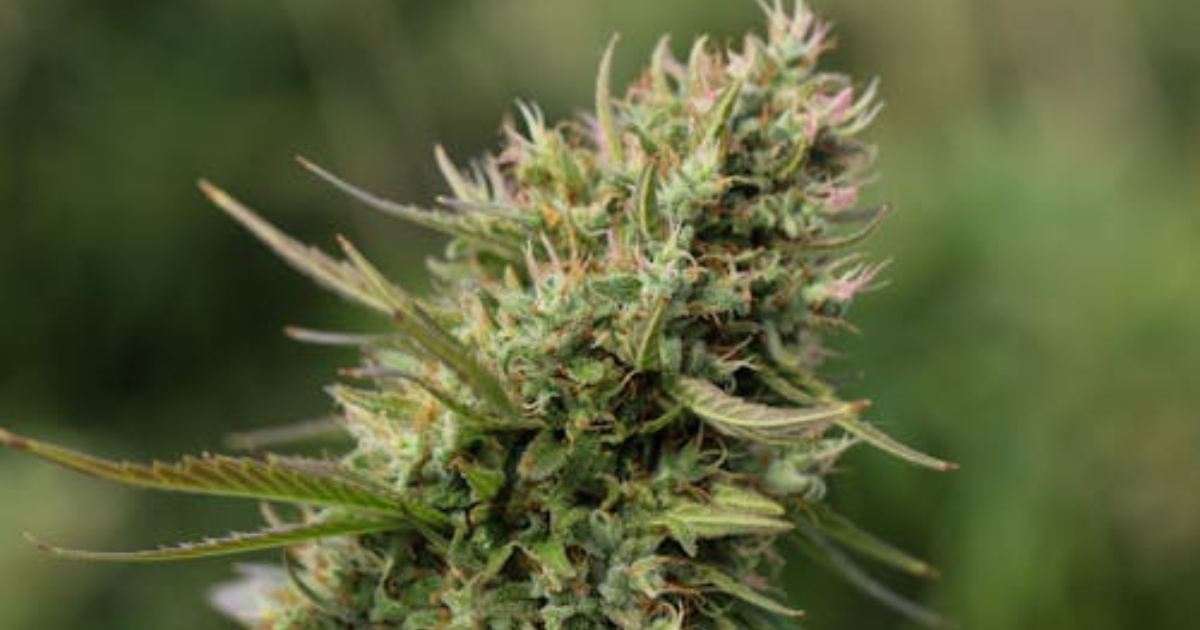
According to research, THC levels typically peak when trichomes turn from clear to milky white.
This stage can occur before the plant has reached its largest possible bud size.
Waiting longer may increase weight slightly, but cannabinoid levels may already be near their peak.
This is why many growers focus on trichome development rather than bud size when deciding harvest timing.
Early Harvest Windows Reduce Weather Risk
Harvesting earlier reduces exposure to the most unpredictable part of the growing season.
In Canada, late September and October often bring:
- rainstorms
- heavy dew
- cooler nights
- rising humidity
By harvesting during an earlier window, growers avoid many of these environmental risks.
This protects both yield and quality.
Professional Growers Focus on Clean Harvests
Commercial growers often prioritize clean harvests over maximum size.
Their goal is to produce flowers that are:
- mold‑free
- terpene‑rich
- visually appealing
Waiting too long can compromise these goals.
A slightly smaller bud that is perfectly healthy and aromatic is often far more valuable than a larger bud damaged by mold or weather.
Terpenes Define the Experience
While THC often receives the most attention, terpenes play a major role in the overall cannabis experience.
They influence:
- aroma
- flavor
- perceived effects
Preserving these compounds is essential for producing high‑quality cannabis.
Harvesting earlier—before environmental stress degrades terpene profiles—can help maintain stronger aromas and better flavor.
Timing Is a Strategic Decision
Successful outdoor growers think about harvest timing months in advance.
They select genetics and planting schedules that allow plants to finish within a safe harvest window.
This reduces the need to gamble with late‑season weather.
Instead of reacting to the forecast in October, they build a growing plan that finishes earlier by design.
Final Thoughts
Waiting longer doesn’t always mean getting better cannabis.
In many cases, the final weeks of flowering expose plants to environmental stress that can reduce both yield and terpene quality.
By harvesting within an earlier window, growers can protect their plants while the flowers are still healthy and aromatic.
This approach often produces cleaner, more flavorful cannabis with fewer losses to mold or weather.
For Canadian outdoor growers working with unpredictable fall conditions, early harvest timing isn’t about rushing the process.
It’s about protecting everything the plant spent months creating.