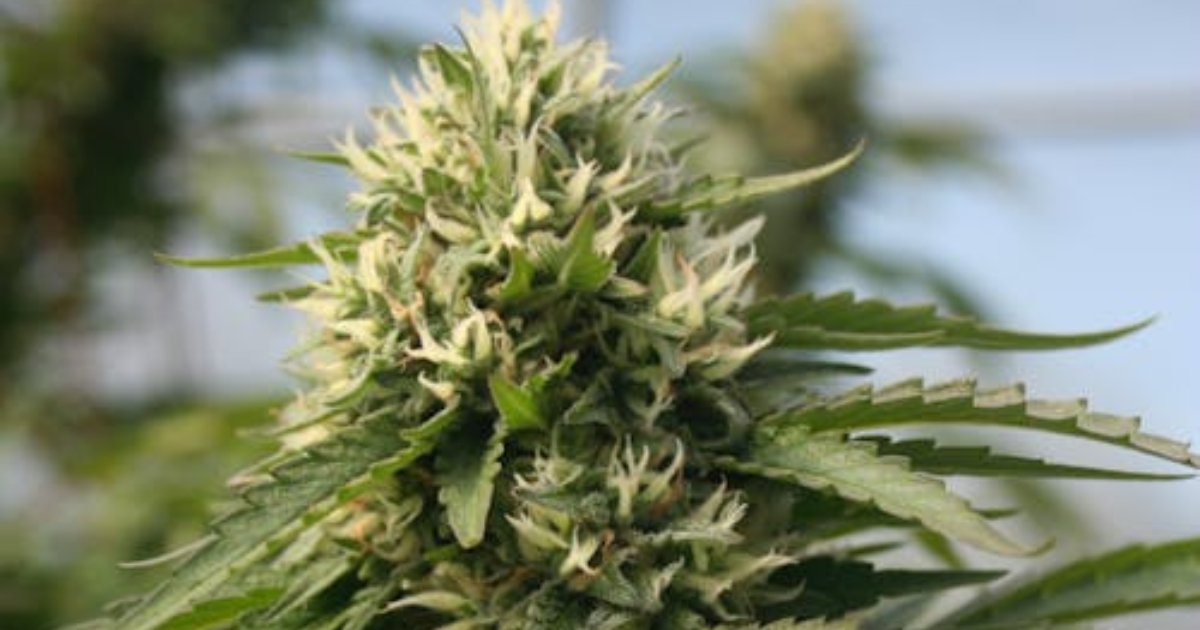
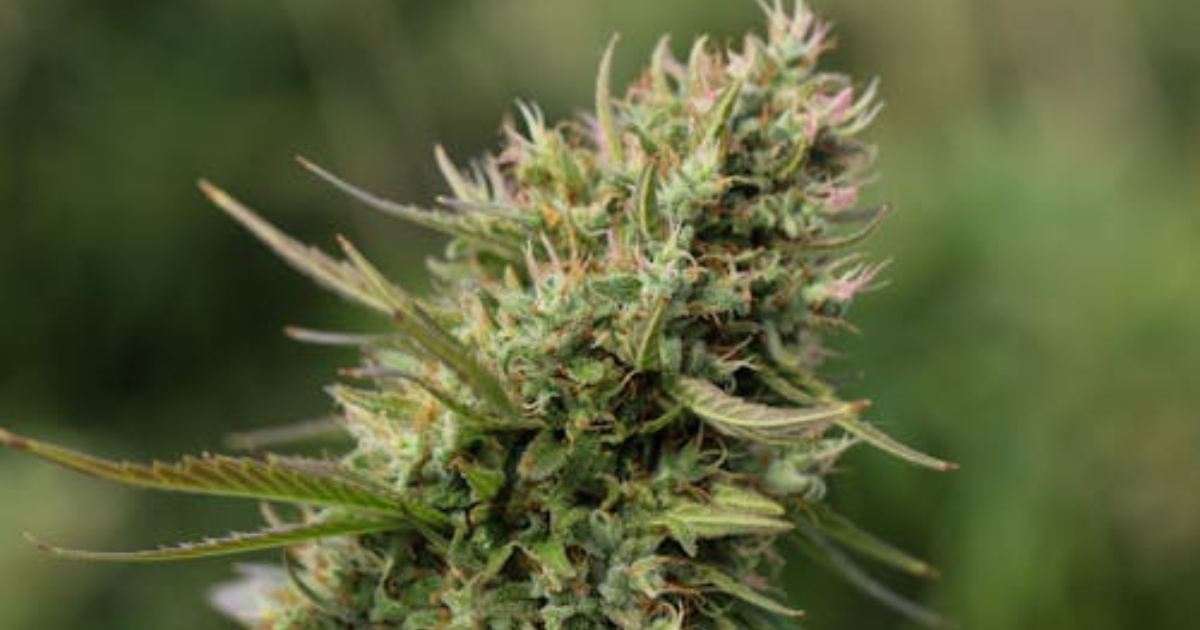
One of the biggest challenges for outdoor cannabis growers is knowing when to harvest.
Harvest too early, and you might lose potential yield.
Wait too long, and you risk mold, weather damage, or declining flower quality.
The goal isn’t simply harvesting early or late.
The goal is finishing cleanly.
Finishing cleanly means harvesting plants when the flowers are fully mature, healthy, and free from environmental damage.
It’s a balance between patience and good timing.
Let’s explore how experienced growers manage this delicate stage.
Before moving ahead, don’t forget to check our Outdoor Spring Bundle Pack 1 and Outdoor Spring Bundle Pack 2, curated specifically for the spring season!
The Final Stage of Flowering Is About Ripening
During the last weeks of flowering, cannabis plants are not growing dramatically larger.
Instead, they are ripening.
This process involves:
- cannabinoid maturation
- terpene development
- trichome formation
The resin glands covering cannabis flowers gradually change as the plant reaches maturity.
These changes provide one of the most reliable signals for determining harvest timing.
Trichomes Reveal Maturity
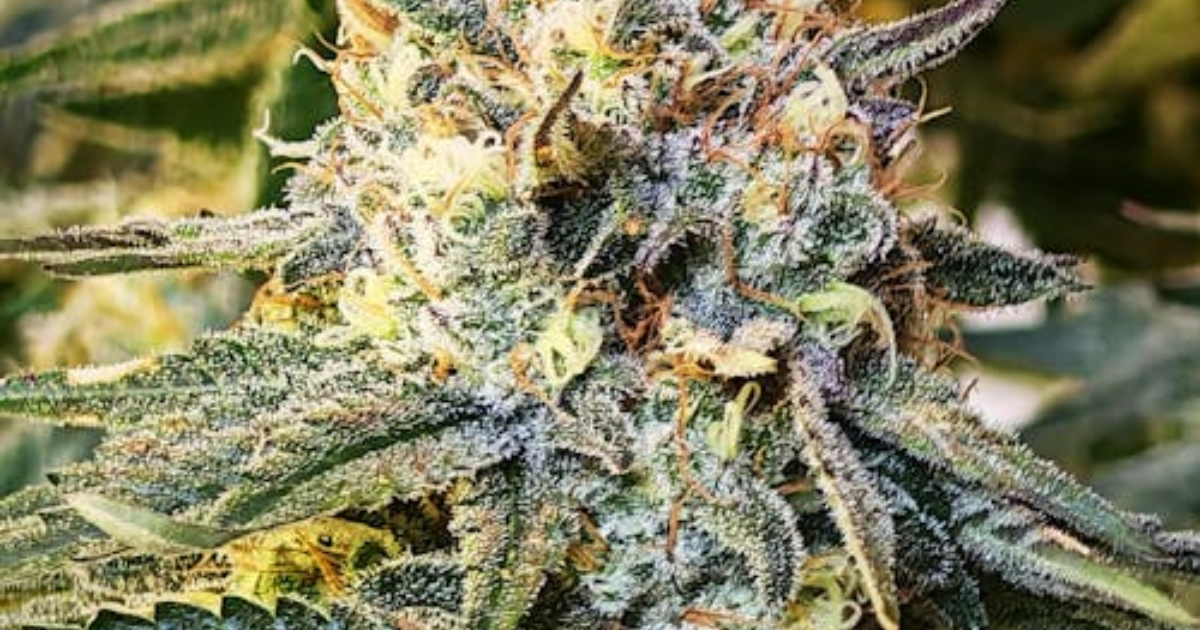
Trichomes are the tiny resin glands that coat cannabis flowers.
Under magnification, they appear as small crystal‑like structures.
According to research, as plants mature, trichomes change color.
Typically, they progress through three stages:
Clear → Milky → Amber
Most growers aim to harvest when the majority of trichomes appear milky with some turning amber.
This stage often represents peak cannabinoid development.
Observing trichomes allows growers to harvest at the right moment without relying only on calendar dates.
Weather Awareness Is Critical
Even when trichomes indicate that plants need more time, growers must still consider weather conditions.
If forecasts predict extended rain or humidity, waiting longer may increase the risk of mold.
This is where experience becomes valuable.
Sometimes harvesting slightly earlier protects the overall crop.
Clean, healthy flowers are usually more valuable than slightly larger buds damaged by weather.
Airflow Helps Plants Finish Safely
During the final weeks of flowering, good airflow becomes extremely important.
Dense plant canopies can trap humidity around buds, especially after rain or morning dew.
Pruning small interior branches or thinning crowded areas can improve airflow through the plant.
Better airflow allows buds to dry faster and reduces the likelihood of fungal growth.
Avoid Excessive Handling
Late‑flowering plants are fragile.
Excessive touching or movement can damage trichomes or break delicate branches.
Growers inspecting their plants should handle them gently and only when necessary.
Protecting the integrity of the flowers helps preserve their final quality.
Watch for Early Signs of Mold
Because mold spreads quickly during late flowering, growers should regularly check their plants for early warning signs.
These may include:
- small brown spots inside buds
- sugar leaves turning yellow unexpectedly
- sections of flowers appearing dry or brittle
If mold appears, affected buds should be removed immediately to prevent the infection from spreading.
Early detection can save the rest of the crop.
Protect Plants When Possible
While outdoor growers cannot control the weather, temporary protection can sometimes help during brief storms.
Simple measures like lightweight rain covers or temporary shelters can reduce moisture exposure during short rain events.
However, these structures must allow airflow.
Trapping humidity inside a covered plant can sometimes cause more problems than rain itself.
Timing Matters More Than Size
A common mistake among newer growers is waiting until buds look as large as possible.
But bud size alone is not a reliable indicator of maturity.
Trichome development, pistil color changes, and overall plant health are better indicators of readiness.
Focusing on these signals helps growers harvest at the right time.
Clean Harvest Leads to Better Curing
Finishing cleanly doesn’t just protect the plants—it improves post‑harvest quality.
Flowers harvested while healthy and dry cure more evenly.
They maintain stronger terpene profiles and better aroma.
Plants harvested after weather damage or mold exposure often produce lower‑quality final products.
The condition of the plant at harvest directly affects the quality of the finished cannabis.
Final Thoughts
Finishing outdoor cannabis cleanly is about balance.
Growers must watch plant maturity while also staying aware of environmental conditions.
By observing trichomes, maintaining airflow, and responding to weather risks, growers can harvest at the right moment.
The goal isn’t rushing the harvest.
It’s ensuring that the months of work invested in the plants end with healthy, mature flowers ready for curing.