When outdoor growers talk about improving yields, the conversation usually focuses on nutrients, soil quality, sunlight, or pruning techniques.
But experienced growers often point to something much simpler:
The quality of the clone you start with.
In Canada’s short outdoor growing season, the health of a clone before planting can have a huge impact on how the plant performs later in the year.
A weak or stressed clone may spend weeks recovering before it begins real growth. A strong clone, on the other hand, can begin expanding roots and producing new branches almost immediately.
That early momentum often determines how large a plant becomes before flowering begins.
So before you ever put a clone into soil, it’s worth taking a few minutes to evaluate its quality carefully.
Before moving ahead, don’t forget to check our Outdoor Spring Bundle Pack 1 and Outdoor Spring Bundle Pack 2, curated specifically for the spring season!
Why Clone Quality Matters So Much in Canada
In warmer climates, cannabis plants sometimes have long growing seasons that allow them to recover from early mistakes.
Canada is different.
Outdoor growers are working within a limited window between spring planting and fall harvest.
If a clone struggles during the first few weeks outdoors, it may lose valuable vegetative growth time that it never fully recovers.
Plants that start strong typically develop:
- larger root systems
- more branches
- larger canopies
By the time flowering begins in late summer, those differences become very noticeable.
This is why experienced growers spend time evaluating clones before planting them outdoors.
Start With the Overall Structure
The first thing most growers notice when looking at a clone is the plant’s structure.
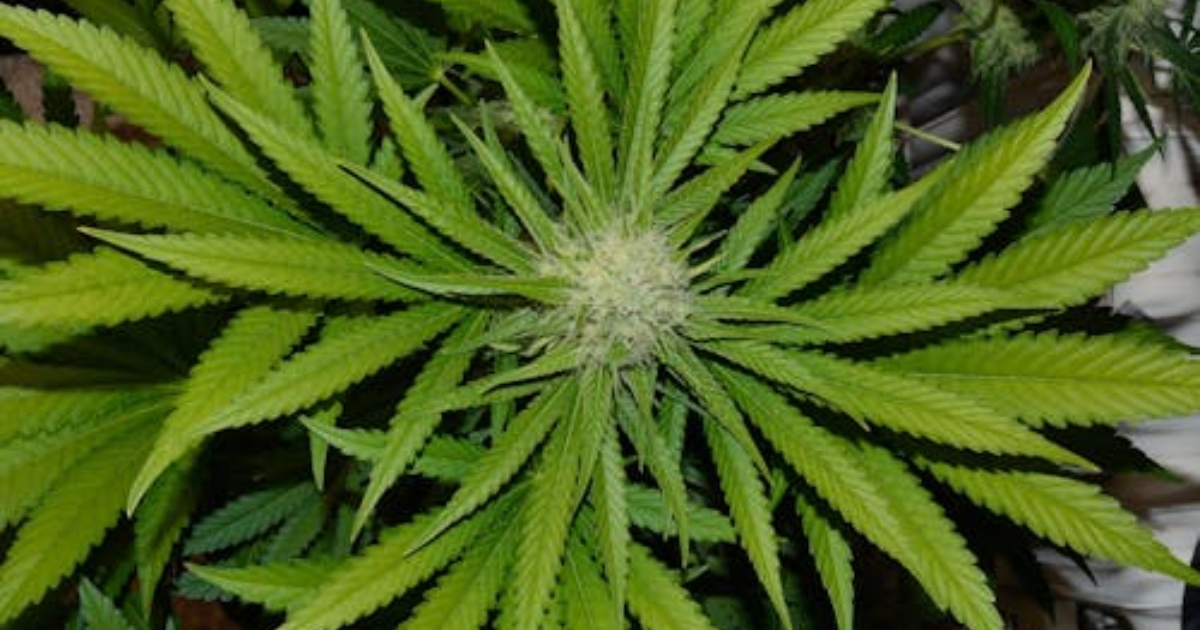
Healthy cannabis clones usually show compact, balanced growth.
Look for plants that have:
- tight node spacing
- sturdy stems
- symmetrical branching
These traits indicate that the plant grew under good lighting conditions and developed strong structure early on.
Clones that appear stretched — with long gaps between nodes — may have grown under weak lighting and can sometimes struggle outdoors.
Strong structure helps plants support larger branches and heavier flowers later in the season.
Examine the Leaves Carefully
Leaves can reveal a lot about a plant’s overall health.
Healthy cannabis clones typically have leaves that are:
- evenly colored
- free of spots or discoloration
- firm and upright
Yellowing, curling, or spotted leaves may indicate nutrient problems, pest damage, or environmental stress.
Minor cosmetic imperfections aren’t always a problem, but widespread leaf issues can signal deeper health concerns.
Since outdoor plants will face wind, rain, and temperature fluctuations, it’s best to start with foliage that already appears healthy and stable.
Check for Pests or Disease
One of the most important steps in evaluating clone quality is checking for pests.
Small insects can hide easily beneath leaves or along stems.
Common pests that affect cannabis clones include:
- spider mites
- aphids
- thrips
Even small infestations can spread quickly once plants are placed outdoors.
This guide explains how growers reduce pest and disease risks when working with cannabis clones!
Starting with clean plants dramatically reduces the chances of pest problems later in the season.
Root Health Is One of the Most Important Indicators
While leaves and structure are easy to see, roots often provide the clearest indication of clone quality.
Healthy clones typically have roots that appear:
- bright white
- thick and well-developed
- evenly spread throughout the growing medium
Dark, thin, or sparse roots may indicate that the plant has struggled to develop properly.
Strong root systems allow plants to absorb nutrients efficiently and establish themselves quickly after transplanting outdoors.
Because roots drive early growth, their condition often determines how fast the plant begins expanding once planted.
Evaluate Clone Age and Development
Another factor to consider is the clone’s stage of development.
Very young clones with minimal root growth may not yet be ready for outdoor planting.
These plants may require additional time to establish roots before they can adapt to outdoor environments.
More mature clones typically handle transplanting much better.
Plants that have already developed strong roots and multiple growth points usually adapt faster to outdoor soil conditions.
Consider Genetics and Flowering Speed
Clone quality isn’t just about physical appearance. Genetics also play an important role.
Different cannabis strains have different growth characteristics, including:
- flowering speed
- plant structure
- mold resistance
In Canada’s outdoor climate, fast-flowering genetics often perform best because they finish before fall weather becomes too harsh.
If you’re selecting strains for outdoor growing, this guide explains which genetics are known for faster flowering in Canadian environments!
Choosing suitable genetics helps ensure plants can complete their life cycle within the available growing season.
Understand Your Local Climate
Before planting clones outdoors, growers should also consider regional climate patterns.
Canada’s climate varies widely across provinces and even within local areas.
Temperature swings, rainfall patterns, and frost dates can all influence when clones should be planted.
Climate data collected by Environment and Climate Change Canada shows that spring conditions can vary significantly depending on location.
Understanding local frost dates and seasonal trends helps growers avoid exposing young clones to unnecessary stress.
This guide explains how spring weather and frost dates vary across major Canadian provinces!
Timing planting correctly gives clones the best chance to establish themselves quickly.
Choose Reliable Sources for Clones
Finally, the source of a clone often determines its overall quality.
Reliable growers typically maintain healthy mother plants, follow careful propagation practices, and monitor clones closely for pests or diseases.
Less experienced sources may produce clones that appear healthy but carry hidden issues.
This guide explains what to look for when purchasing cannabis clones online in Canada!
Working with reputable suppliers increases the chances of receiving plants that are ready to grow.
Final Thoughts
Outdoor cannabis success often begins long before plants ever touch soil.
By carefully evaluating clone quality before planting, growers can avoid many of the problems that lead to slow growth or reduced yields later in the season.
Healthy clones usually show several clear traits:
- strong structure
- balanced leaf color
- pest-free foliage
- well-developed root systems
- stable genetics
When plants start the season with these advantages, they are far more likely to establish quickly and grow vigorously through the summer.
And in Canada’s short outdoor growing window, that strong start can make all the difference by the time harvest season arrives.