Outdoor cannabis growers in Canada spend a lot of time worrying about frost.
As fall approaches, the conversation usually turns to questions like:
“What happens if my plants get hit by frost?”
“Will cold temperatures ruin my harvest?”
But here’s something that surprises many first‑time growers.
For most outdoor cannabis crops in Canada, late‑season rain is actually a much bigger threat than early frost.
Frost might look scary when you wake up and see your garden covered in ice crystals. But rain, especially repeated rainfall during the flowering stage, can quietly destroy a crop in ways that are far harder to recover from.
Understanding why rain is so dangerous during late flowering can help growers plan their harvest timing and protect their plants before problems start.
Before moving ahead, don’t forget to check our Outdoor Spring Bundle Pack 1 and Outdoor Spring Bundle Pack 2, curated specifically for the spring season!
Cannabis Plants Can Handle Mild Frost Better Than People Think
Let’s start with frost.
Cannabis plants are surprisingly resilient when it comes to light cold exposure. Many outdoor growers report that their plants can survive brief nighttime temperatures close to freezing without serious damage.
Some horticultural studies examining cannabis growth environments note that short periods of cooler temperatures mainly slow plant metabolism rather than immediately damaging flowers, especially when temperatures rebound during the day.
Light frost often forms when temperatures drop to around 0°C (32°F) overnight but rise again after sunrise.
When this happens, the frost may only affect outer leaf surfaces while the plant itself continues functioning once temperatures warm.
Of course, hard frost—when temperatures remain below freezing for extended periods—can damage plant tissue and should be avoided.
But in many Canadian regions, early fall frost events are brief and limited.
Rain, on the other hand, behaves very differently.
Rain Creates the Perfect Conditions for Mold
The real danger of rain isn’t the water itself.
The problem is what happens after the rain stops.
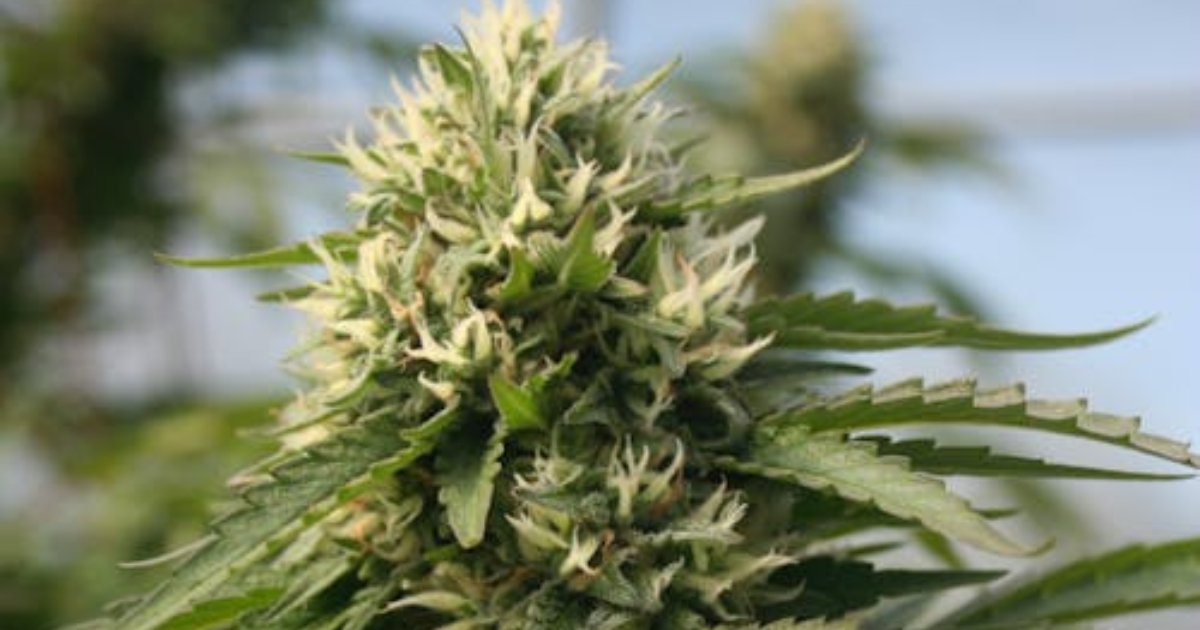
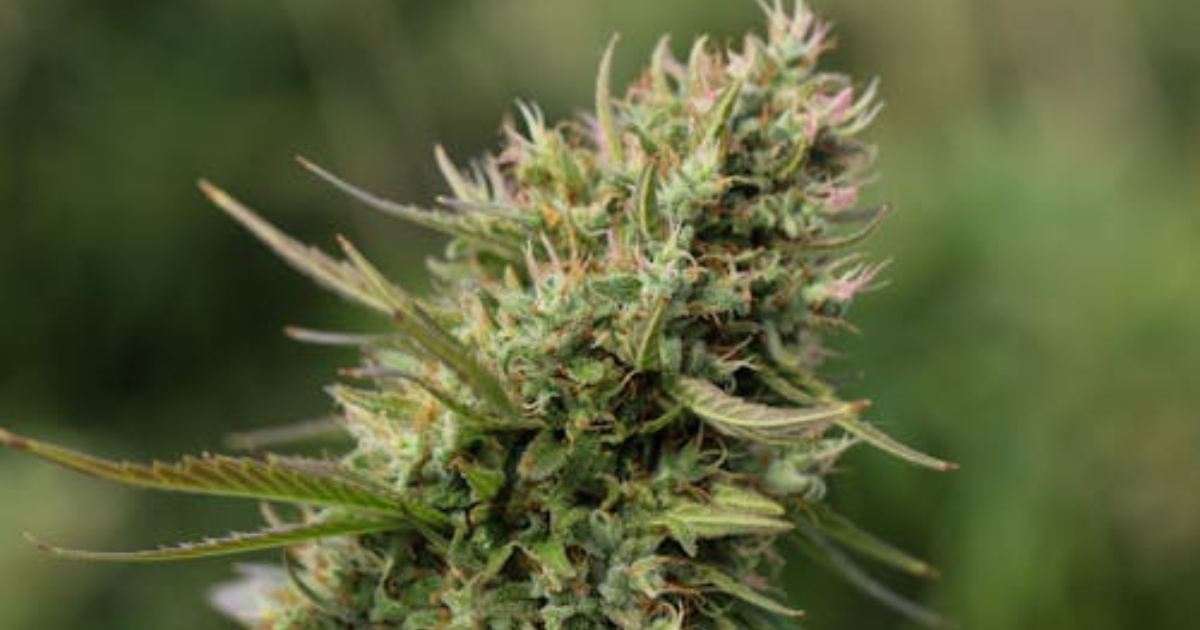
Cannabis flowers are dense structures made up of tightly packed bracts, sugar leaves, and resin glands. When rain soaks these buds, water can become trapped deep inside the flower structure.
If those flowers do not dry quickly, the interior of the bud becomes an ideal environment for fungal pathogens.
One of the most destructive fungal diseases affecting cannabis is bud rot, caused by Botrytis cinerea. Scientific reviews show that this fungus thrives in humid environments with moderate temperatures, conditions frequently present during fall weather.
Once Botrytis enters a flower cluster, it spreads quickly through the interior tissues of the bud.
The worst part is that growers often cannot see the infection until it’s already advanced.
By the time the outer leaves begin to discolor or wilt, the inside of the bud may already be rotting.
Buds Trap Moisture After Rain
Large cannabis flowers create their own small microclimates.
Recent plant research measuring humidity inside cannabis inflorescences found that relative humidity inside the bud structure can be significantly higher than surrounding air, sometimes reaching extremely moisture‑rich conditions.
That means a plant that looks dry on the outside may still contain trapped moisture inside the flowers.
When late‑season rain arrives repeatedly, buds may never fully dry between storms.
This constant moisture is exactly what fungal pathogens need to grow.
Rain Often Lasts for Days
Another major difference between frost and rain is duration.
Frost events are usually short.
Rain systems, however, can last several days.
In many Canadian regions, autumn storms bring extended periods of overcast skies and rainfall.
During these stretches:
- humidity remains high
- sunlight is limited
- airflow decreases
- buds stay wet for long periods
Without sunlight and airflow, plants cannot dry quickly.
This dramatically increases mold risk.
Flowering Plants Are Most Vulnerable
Late‑season rain is particularly dangerous because it arrives during the flowering stage.
Earlier in the season, cannabis plants are mostly made up of leaves and stems. These surfaces dry quickly.
But flowering plants contain dense buds that behave very differently.
Large colas can hold moisture like a sponge.
Even small amounts of trapped water can create localized humidity pockets inside the flower.
And once mold begins growing inside a bud, it spreads quickly.
Frost Rarely Causes Bud Rot
Here’s the key difference between frost and rain.
Frost is dry cold.
Rain is wet humidity.
Fungal pathogens require moisture to grow.
So while frost may stress the plant slightly, it rarely provides the conditions needed for fungal infections.
Rain does.
That’s why experienced growers often worry more about rainy October forecasts than brief cold nights.
Cold Temperatures Can Even Slow Mold Growth
Interestingly, cooler temperatures can actually slow fungal activity in some cases.
Many fungi, including Botrytis, grow most aggressively in moderate temperature ranges, not near freezing.
So when temperatures dip toward freezing overnight, mold growth may slow down rather than accelerate.
But when rain combines with cool temperatures and high humidity, the risk increases again.
Canadian Fall Weather Is Unpredictable
The biggest challenge for outdoor growers in Canada is unpredictability.
A stretch of beautiful sunny weather in late September can suddenly shift into a week of rain and fog.
By the time a grower notices the forecast, their plants may still need weeks to finish flowering.
This leaves growers with a difficult choice:
- harvest early
- or risk mold during storms
This is why many experienced growers prefer strains that finish earlier in the season.
Early Harvest Planning Reduces Rain Exposure
The best protection against late‑season rain isn’t a tarp or greenhouse.
It’s timing.
Plants that finish flowering in late September or early October avoid the worst of fall storms.
Plants that need until late October remain exposed to every weather system that passes through.
Even a difference of two weeks can determine whether a crop finishes cleanly or struggles with mold.
Signs Rain Is Becoming Dangerous
Outdoor growers should watch for warning signs when rainy weather appears during flowering:
- persistent humidity above 70%
- buds staying wet into the afternoon
- gray or brown discoloration inside flowers
- sugar leaves turning yellow or dying prematurely
These signs may indicate that mold is beginning to develop.
Once infection spreads inside the buds, removal of affected flowers is often the only option.
What Experienced Growers Focus On
After a few outdoor seasons, most growers shift their mindset.
Instead of worrying about frost, they focus on three things:
- flowering speed
- plant airflow
- harvest timing
These factors determine whether plants finish before rainy fall weather becomes dangerous.
Final Thoughts
Early frost can look dramatic in an outdoor garden.
But in many cases, cannabis plants can recover from brief cold exposure.
Late‑season rain is different.
Repeated rainfall during flowering creates moisture inside dense buds, providing perfect conditions for fungal diseases like bud rot.
Once mold begins spreading, the damage can escalate quickly.
That’s why experienced Canadian growers often plan their entire outdoor season around finishing before heavy fall rain arrives.
Because when it comes to protecting cannabis crops in Canada, the real enemy isn’t frost.
It’s moisture.