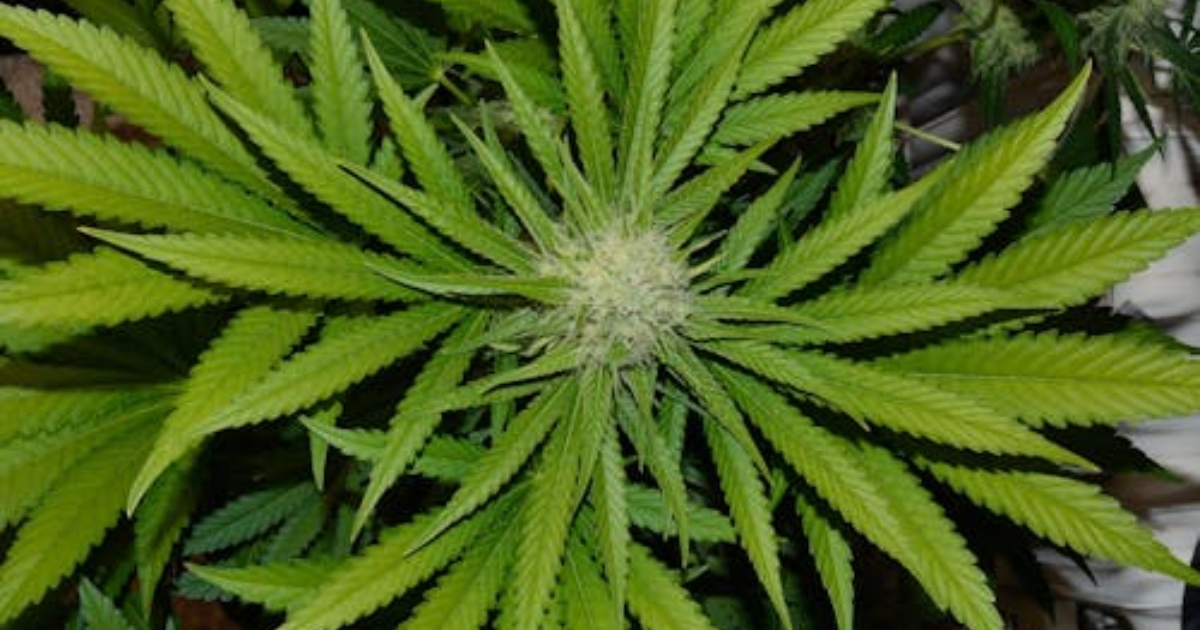
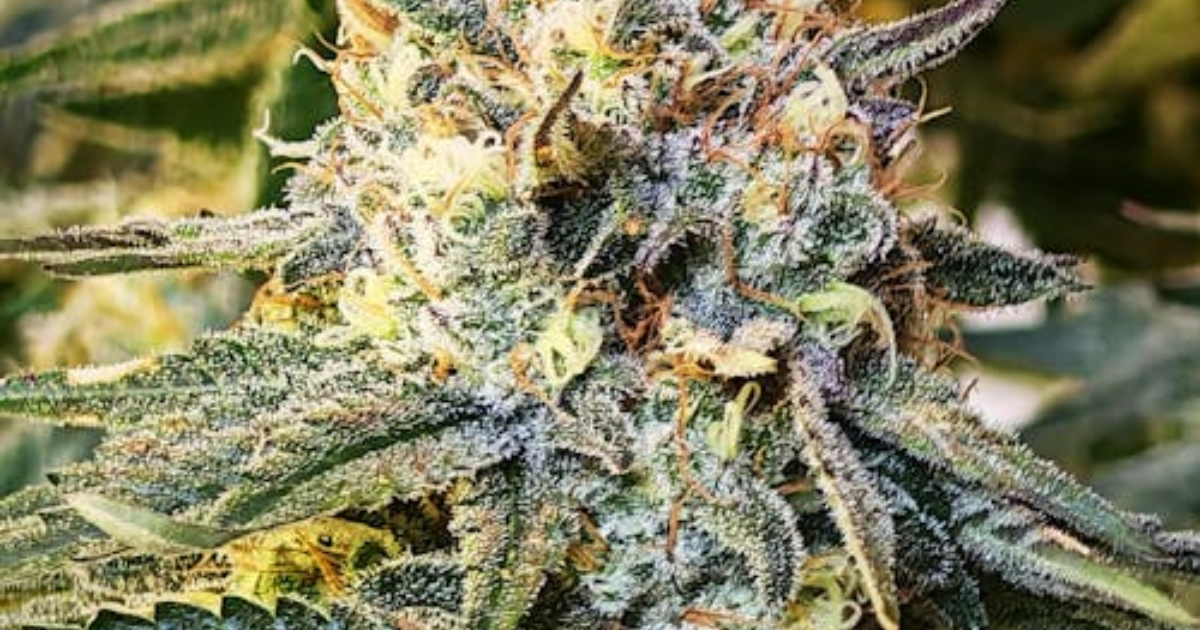
If you talk to professional outdoor cannabis growers in Canada, you’ll notice something interesting very quickly. They don’t just think about growing plants. They think about managing time during short growing Seasons.
Canada’s outdoor season is relatively short compared to warmer climates, and experienced growers understand that every week matters. Instead of hoping the season works out, they approach cultivation with a clear strategy designed to work within the limits of the climate.
This mindset is one of the biggest differences between beginner growers and professionals.
Let’s take a closer look at how experienced growers actually think about short growing seasons — and why that approach leads to more consistent harvests.
Before moving ahead, don’t forget to check our Outdoor Spring Bundle Pack 1 and Outdoor Spring Bundle Pack 2, curated specifically for the spring season!
Professionals Start With the End in Mind
One of the first habits professional growers develop is planning their grow backwards from harvest.
Instead of asking “When should I plant?”, they start with a different question:
When do I need my plants to finish?
In much of Canada, fall weather becomes unpredictable by late September or early October. Cooler nights, heavier rain, and higher humidity can quickly increase the risk of mold and other problems during flowering.
Data from Environment and Climate Change Canada shows that frost-free periods across Canadian growing regions often range between 120 and 170 days, depending on location. That limited window means growers must be strategic about how their plants move through the season.
Professional growers plan their timeline so plants reach maturity before fall weather becomes risky.
Everything else in the grow plan — genetics, planting dates, and care practices — revolves around that target harvest window.
Genetics Are the First Strategic Decision
One of the biggest advantages professional growers use is choosing genetics suited for short seasons.
Some cannabis strains require long flowering periods, which may work well in warmer climates. But in Canada, long-flowering plants can struggle to finish before weather conditions deteriorate.
Because of this, many growers prioritize fast-flowering strains that are capable of reaching maturity earlier.
These strains move through flowering more quickly, allowing growers to harvest before fall humidity and cold temperatures become serious threats.
If you’re looking for strains that perform well in Canadian outdoor conditions, this guide explains some of the most reliable fast-finishing genetics!
Choosing the right genetics from the start is often the most important step in managing a short season.
Professionals Respect Spring Temperatures
Another common trait of experienced growers is patience during early spring.
New growers often want to move plants outdoors as soon as the weather starts warming up. But professional growers understand that spring temperatures can be deceptive.
Warm daytime temperatures may feel comfortable, but nighttime lows can still drop into ranges that stress young plants.
Cannabis clones are particularly sensitive to cold during their early development stages. Exposure to low temperatures can slow root growth and reduce overall plant vigor.
Knowing when conditions are safe is critical. Professionals often wait until nighttime temperatures stabilize before transitioning plants outdoors. That patience helps ensure plants establish strong growth right from the beginning.
Strong Early Growth Protects the Whole Season
When growers think about short seasons, they understand that every stage of growth affects the next one.
If plants struggle early in the season, they may fall behind schedule later.
Healthy early growth allows plants to:
- develop stronger root systems
- build larger canopies
- support heavier flowers later in the season
Professional growers focus heavily on creating strong early conditions for their plants. That includes healthy soil, proper spacing, and consistent monitoring.
Preventing pests and diseases early also plays a major role in keeping the grow on schedule. Once problems spread through a garden, they can slow growth and reduce yields later in the season.
If you want to understand how experienced growers protect their plants early on, this guide explains how pests and diseases are prevented when growing cannabis clones!
Maintaining plant health early helps ensure the season stays on track.
Professionals Think in Risk Windows
Another difference between professional and beginner growers is how they think about risk.
Instead of viewing the season as one long growing period, professionals break it into risk windows.
For example:
- Early Spring Risk: Cold temperatures and unstable weather can slow or damage young plants.
- Mid-Season Risk: Pests and diseases can spread quickly when plants grow rapidly in warm conditions.
- Late Season Risk: Rain, humidity, and cooler temperatures increase mold risk during flowering.
By thinking this way, growers can take preventative actions before problems appear.
This proactive mindset helps protect the entire crop.
Harvest Timing Is a Strategic Decision
Professional growers rarely wait until the last minute to think about harvest.
They monitor plant maturity carefully and watch the weather forecast closely.
If a period of heavy rain or prolonged humidity is approaching, growers may adjust their harvest timing slightly to avoid crop damage.
Because they planned the season well — choosing fast-flowering genetics and maintaining plant health — they usually have the flexibility to make these decisions without sacrificing quality.
Planning ahead gives them control.
Efficiency Matters in Short Seasons
Short growing seasons also encourage professionals to focus on efficiency.
Every week of good weather is valuable.
Instead of trying to maximize plant size indefinitely, growers focus on maintaining steady, consistent growth throughout the season.
That means:
- avoiding stress that slows development
- maintaining healthy soil conditions
- ensuring plants receive adequate sunlight and airflow
Efficient growth allows plants to reach maturity within the limited seasonal window.
The Professional Mindset
Perhaps the biggest difference between professional and beginner growers isn’t equipment or experience.
It’s mindset.
Professionals approach outdoor growing with an understanding that nature sets the schedule.
Instead of trying to force plants into an ideal timeline, they design their grow strategy around the climate they’re working in.
That mindset allows them to anticipate challenges and plan solutions months in advance.
Final Thoughts
Outdoor cannabis cultivation in Canada will always involve some uncertainty.
Weather patterns can shift, temperatures can fluctuate, and every season brings its own challenges.
But professional growers manage those uncertainties by focusing on what they can control.
They plan their harvest window early, choose genetics suited for short seasons, respect spring temperatures, and maintain strong plant health throughout the grow.
By thinking strategically about time and risk, they turn a short growing season into a productive one.
And in Canada’s climate, that thoughtful approach often makes the difference between a stressful harvest and a successful one.