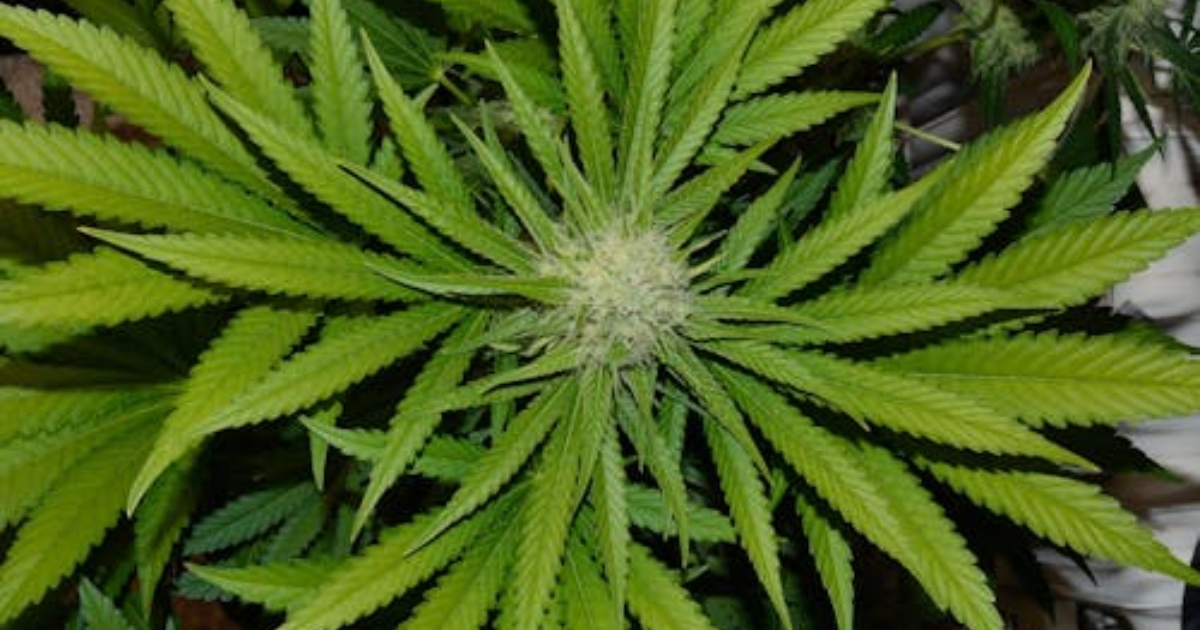
When most growers think about increasing cannabis yields, they usually focus on things like nutrients, soil quality, or sunlight.
Those factors definitely matter. But there’s another detail that experienced growers pay close attention to — the structure of the clone itself.
Before a plant ever goes into the ground, its structure already tells you a lot about how it will grow outdoors.
Things like branch spacing, stem thickness, and overall shape can influence how well the plant handles wind, sunlight, and flowering later in the season.
In Canada’s outdoor environment, where the growing window is short and weather conditions can be unpredictable, clone structure plays a surprisingly important role in final yield.
Let’s break down why.
Before moving ahead, don’t forget to check our Outdoor Spring Bundle Pack 1 and Outdoor Spring Bundle Pack 2, curated specifically for the spring season!
A Strong Structure Builds the Foundation for Yield
Outdoor cannabis plants rely heavily on their physical structure.
Unlike indoor grows, where plants may be supported with trellises or controlled environments, outdoor plants must handle natural conditions like:
- strong winds
- heavy rain
- intense sunlight
- fluctuating temperatures
Plants with strong structural characteristics tend to perform better in these environments.
Healthy clones usually show a few clear structural traits:
- thick stems
- evenly spaced nodes
- balanced branching
- upright growth
These traits allow the plant to grow larger and support heavier flowers later in the season.
If a clone begins life with weak structure, it often struggles to develop the canopy needed for high yields.
Branch Development Determines Bud Sites
Another reason structure matters is that branching determines how many bud sites a plant will produce.
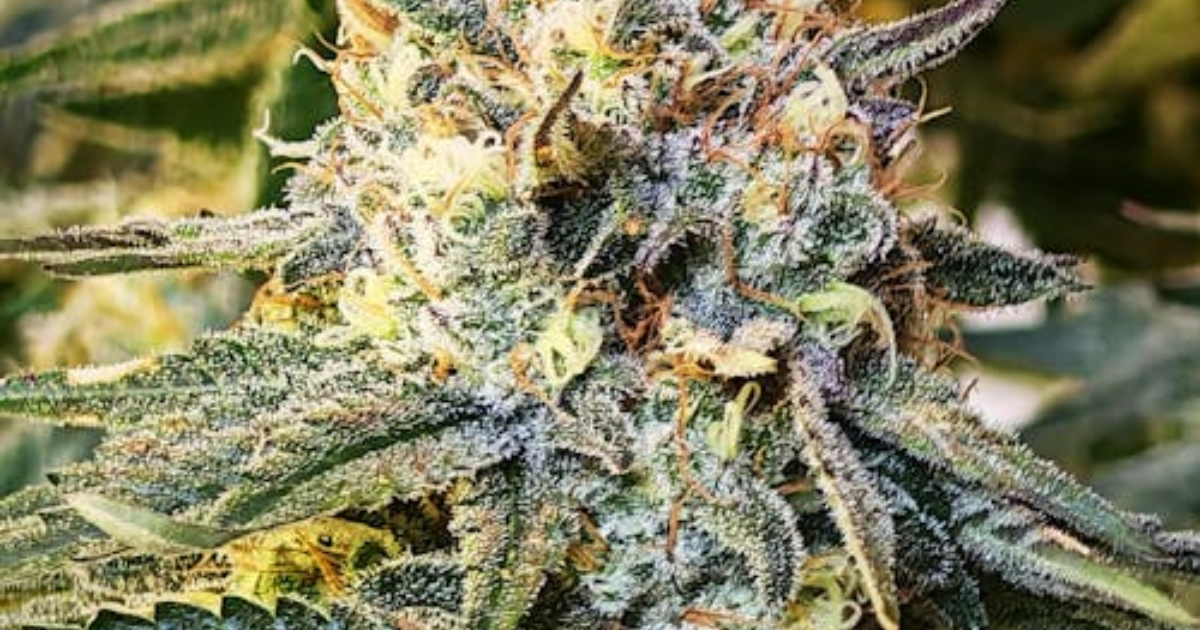
Each branch can develop multiple flowering sites during the bloom stage.
Clones with good structure usually produce:
- multiple strong lateral branches
- evenly spaced nodes
- balanced canopy growth
This allows sunlight to reach more parts of the plant, encouraging consistent bud development.
Plants that grow tall and thin with few branches may produce fewer flowering sites, which limits overall yield.
Structure influences how efficiently the plant converts sunlight into flowers.
Strong Stems Support Heavy Flowers
Canadian outdoor cannabis plants often grow quite large during the summer months.
By mid-season, a healthy plant can develop dozens of flowering sites. Once buds begin forming, the weight increases rapidly.
Plants with weak stems sometimes struggle to support that weight.
Heavy flowers combined with rain or wind can cause branches to bend or snap.
Clones with thick, sturdy stems tend to perform much better outdoors because they can support heavier buds without structural damage.
This is another reason experienced growers evaluate clone structure carefully before planting.
Node Spacing Affects Light Distribution
Another structural factor growers pay attention to is node spacing, also called internodal spacing.
Nodes are the points on a stem where leaves and branches grow.
If nodes are spaced too far apart, plants can become stretched and less productive.
When node spacing is balanced, plants tend to develop fuller canopies and more efficient bud formation.
This structure allows sunlight to penetrate deeper into the plant.
Better light distribution means more areas of the plant can produce healthy flowers.
Over the course of an outdoor season, that difference can significantly affect yield.
Good Structure Helps Plants Handle Weather
Outdoor cannabis plants must deal with changing weather conditions throughout the season.
Canadian summers often bring:
- sudden windstorms
- heavy rain
- temperature swings
Plants with strong structural integrity are much more capable of handling these conditions.
A well-built clone grows into a plant that can stay upright, maintain airflow, and recover quickly from weather stress.
Plants with weak stems or uneven growth patterns may struggle to handle environmental pressure.
This is another reason experienced growers prioritize structural strength early in the season.
Healthy Clones Are Easier to Manage
Structural quality also affects how easy plants are to manage throughout the grow.
Clones with balanced structure tend to grow more predictably.
This makes it easier for growers to:
- space plants correctly
- manage airflow through the canopy
- monitor plant health
Plants that grow unevenly or develop irregular branching patterns can create dense areas where airflow is restricted.
Poor airflow increases the risk of mold and pests later in the season.
Starting with structurally sound clones helps avoid these problems.
Choosing the Right Clones Matters
One of the best ways to improve outdoor results is simply choosing healthy clones from the beginning.
Not all clones are created equal. Some arrive with strong root systems and balanced growth, while others may be stressed or poorly developed.
If you’re ordering clones online, it’s important to know what characteristics indicate a healthy plant.
This guide explains what growers should look for when buying cannabis clones in Canada!
Understanding these factors helps growers avoid weak plants that may struggle outdoors.
Outdoor Clone Selection Can Simplify the Process
Some growers prefer to simplify clone selection by choosing genetics that are already suited for outdoor environments.
For example, some curated clone packs include strains chosen specifically for outdoor growth and Canadian climates.
These types of bundles help growers avoid trial-and-error when selecting plants.
If you’re curious how these selections work, this guide explains how spring bundle packs help outdoor growers start the season with stronger genetics!
Using clones selected for outdoor performance can improve both plant structure and overall yield potential.
Spring Weather Also Influences Structure
Another factor that affects clone development is early-season weather.
Cold temperatures and unstable spring conditions can slow growth and cause plants to stretch or develop unevenly.
Understanding local frost timing helps growers avoid planting clones too early.
This guide explains how frost dates vary across Canadian provinces and why timing matters for young clones!
Planting at the right time allows clones to develop strong structure under healthy growing conditions.
Structure Determines Long-Term Performance
One thing many growers learn after a few seasons is that early plant characteristics often predict final results.
A clone that begins with strong structure usually grows into a plant capable of producing large, healthy flowers.
A clone that starts weak rarely transforms into a high-yielding plant later.
This is why experienced growers spend time inspecting clones carefully before planting.
Strong structure early in the season often leads to stronger yields at harvest.
Final Thoughts
Outdoor cannabis cultivation in Canada requires plants that can handle real environmental challenges.
Wind, rain, sunlight, and seasonal changes all influence plant development.
Because of these factors, clone structure plays a major role in outdoor success.
Clones with strong stems, balanced branching, and healthy node spacing tend to grow into larger, more productive plants.
And when the growing season is limited, starting with structurally strong plants can make a big difference in final yield.
For Canadian growers, paying attention to clone structure isn’t just a small detail — it’s one of the smartest ways to improve outdoor harvest results.