If you’ve grown cannabis outdoors for a few seasons, you’ve probably seen this happen.
You plant several clones at the same time, in the same soil, under the same sunlight. A few weeks later, something interesting appears.
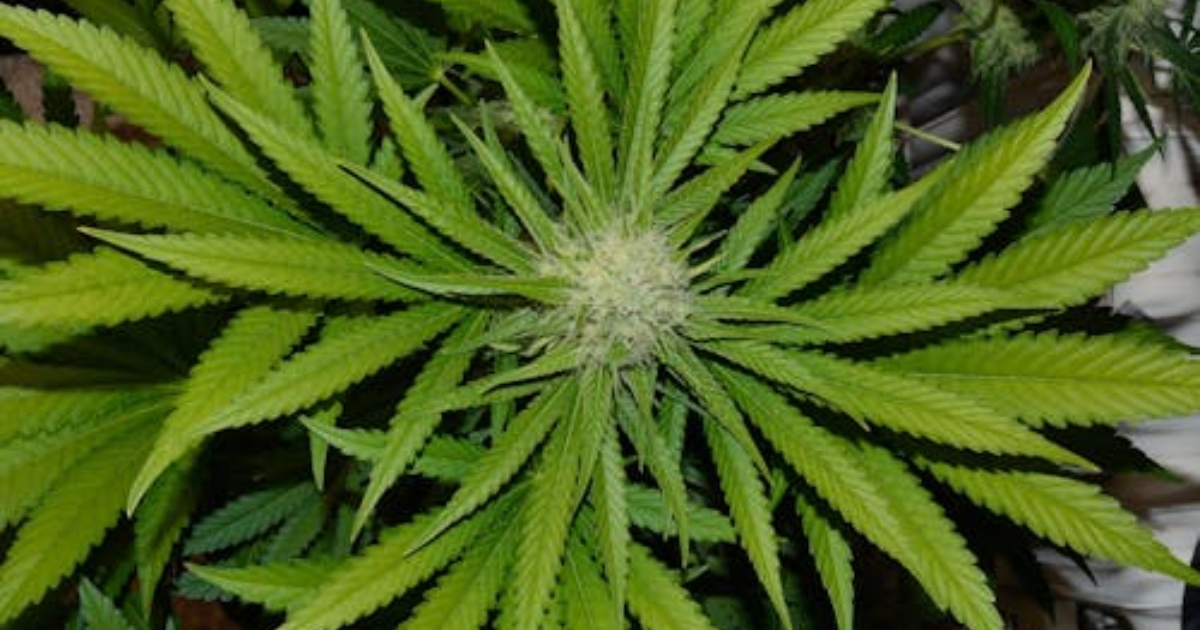
Some plants take off quickly — growing taller, developing branches, and filling out with healthy green leaves.
Others just… sit there.
They don’t die, but they barely grow. Weeks pass and they still look small compared to the others.
So what causes this difference?
Why do some cannabis clones thrive outdoors while others stall?
The answer usually comes down to a combination of clone health, genetics, root development, and environmental timing. Let’s break down the main reasons this happens.
Before moving ahead, don’t forget to check our Outdoor Spring Bundle Pack 1 and Outdoor Spring Bundle Pack 2 curated specifically for the spring season!
Clone Health Before Planting Matters More Than People Think
The biggest difference between fast-growing plants and stalled plants often begins before they’re ever planted outdoors.
Healthy clones usually show a few clear signs:
- vibrant green leaves
- thick stems
- compact node spacing
- strong root development
Clones that arrive stressed, dehydrated, or underdeveloped may struggle to adapt once they’re placed outside.
Outdoor environments are much harsher than indoor grow rooms. Plants must deal with wind, temperature changes, strong sunlight, and natural soil conditions.
If a clone starts the season already weakened, it may spend weeks simply trying to recover instead of actively growing.
This is one reason experienced growers pay close attention when selecting clones.
This guide explains what growers should check when purchasing cannabis clones online in Canada! Starting with healthy plants makes a huge difference in early-season growth.
Root Systems Determine Early Growth Speed
Roots are the plant’s engine.
When clones are first planted outdoors, their roots need to expand quickly into the surrounding soil.
Plants with strong root systems usually establish themselves within days and begin pushing new growth.
Clones with weak roots often take much longer to settle in.
Instead of growing upward, the plant focuses its energy on rebuilding the root system. During this period, the plant may appear stalled even though activity is happening below the soil.
Once roots become established, growth usually accelerates again.
This is why strong root development is one of the most important indicators of clone quality.
Genetics Play a Bigger Role Than Many Growers Realize
Another major factor is simply genetics.
Different cannabis strains naturally grow at different speeds.
Some genetics are extremely vigorous and begin expanding almost immediately after planting.
Others are naturally slower growers during early vegetative stages.
This doesn’t necessarily mean the slower plants are unhealthy — it simply reflects their genetic growth pattern.
However, in Canada’s outdoor environment, growers often prefer genetics that grow quickly and flower earlier in the season.
Faster-growing plants can take better advantage of long summer days.
If you’re selecting strains for outdoor growing, this guide explains which genetics tend to flower faster in Canadian conditions!
Choosing vigorous genetics reduces the chances of slow early growth.
Cold Temperatures Can Slow Young Plants
Early spring weather is another common cause of stalled growth.
Even when daytime temperatures feel warm, nighttime temperatures can still drop significantly.
Young cannabis clones are sensitive to cold conditions, especially when soil temperatures remain low.
Cold soil slows root activity, which in turn slows nutrient absorption and plant growth.
Plants exposed to these conditions may appear frozen in place for days or even weeks.
This guide explains how cold temperatures affect cannabis clones during early spring!
Waiting until temperatures stabilize before planting helps prevent early-season growth stalls.
Outdoor Stress Is a Big Adjustment
Moving from an indoor environment to outdoor conditions is a major adjustment for cannabis plants.
Indoor clones are usually raised under controlled lighting, stable temperatures, and gentle airflow.
When those same plants move outside, they suddenly experience:
- full-spectrum sunlight
- wind exposure
- fluctuating temperatures
- natural pests and microbes
This transition can temporarily slow growth as the plant adapts.
Growers often reduce this shock by gradually exposing clones to outdoor conditions before planting — a process called hardening off.
Plants that are properly hardened off usually adjust faster and begin growing sooner.
Soil Conditions Can Influence Growth
Even when clones are healthy and weather conditions are favorable, soil quality can still affect plant performance.
Outdoor soil varies widely from one garden to another.
Some soils drain well and contain plenty of organic matter, while others may be compacted or nutrient-poor.
Plants growing in rich, well-draining soil tend to establish themselves quickly.
Plants placed in heavy or poorly drained soil sometimes struggle while their roots search for oxygen and nutrients.
Improving soil conditions before planting helps give clones the best possible start.
Microclimate Differences Can Also Play a Role
Small environmental differences within the same yard can affect plant growth.
Certain spots may receive more sunlight, better airflow, or warmer soil temperatures.
Other areas may stay cooler or receive partial shade.
According to observations from Environment and Climate Change Canada, local weather patterns can vary significantly even across small distances.
These microclimate differences sometimes explain why one plant grows faster than another just a few meters away.
Understanding how sunlight and temperature behave in your garden can help improve planting placement.
Sometimes Patience Is the Answer
One thing many growers learn with experience is that early differences in growth don’t always predict final results.
A clone that starts slowly may still catch up later in the season once roots fully establish.
Cannabis plants often go through growth spurts during warm summer periods.
As long as a plant remains healthy and continues producing new growth, it may simply be taking a little longer to adapt.
That said, plants that start strong usually maintain that advantage throughout the season.
Final Thoughts
When some clones thrive outdoors while others stall, the cause is rarely just one factor.
Instead, it’s usually a combination of things like:
- clone health before planting
- root system development
- genetics and growth patterns
- spring temperature conditions
- soil quality and microclimate
Understanding these factors helps growers create the conditions where clones can establish themselves quickly and grow vigorously throughout the season.
And when plants take off early, they have more time to build strong branches, develop healthy canopies, and ultimately produce larger outdoor harvests.