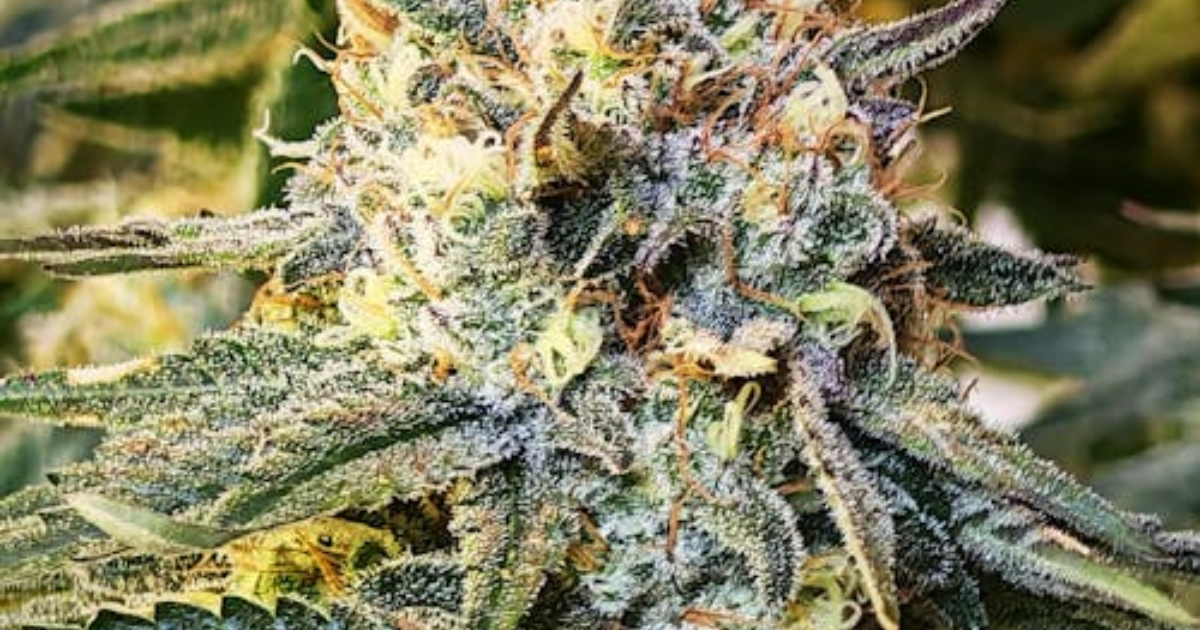
When growers think about problems during cannabis harvest season, they usually focus on things like fall rain, mold, or early frost.
But experienced growers know something important:
Many harvest problems actually begin months earlier.
In fact, clone stress that happen in May can quietly affect plant performance all the way into October.
The connection isn’t always obvious. Plants might look fine in early summer, but by the time flowering begins, the effects of early stress start to appear in subtle ways.
Understanding how early-season stress works can help growers avoid problems long before harvest arrives.
Before moving ahead, don’t forget to check our Outdoor Spring Bundle Pack 1 and Outdoor Spring Bundle Pack 2, curated specifically for the spring season!
The First Few Weeks Shape the Entire Season
When clones are planted outdoors in spring, they enter a critical stage of development.
During this period, plants are:
- expanding their root systems
- adjusting to outdoor light
- adapting to temperature changes
- establishing early vegetative growth
If conditions are ideal, plants quickly establish themselves and begin strong growth through June and July.
Researchers say, when clones experience stress during these early weeks, the plant may spend valuable time simply trying to recover.
And in Canada’s short growing season, lost time is difficult to recover later.
Early Root Stress Limits Future Growth
One of the biggest hidden effects of early stress involves root development.
Roots form the foundation of the plant’s entire growth cycle. Healthy roots allow the plant to absorb nutrients, support rapid growth, and maintain strong flowering later in the season.
When clones experience stress in May — whether from cold soil, poor transplant conditions, or weak root systems — root development can slow dramatically.
This often leads to:
- smaller overall plants
- reduced branching
- fewer bud sites
Even if the plant appears healthy later in the summer, its potential may already be limited.
Plants rarely reach their full size if root development is restricted early in the season.
Cold Temperatures Can Trigger Early Stress
One of the most common causes of early-season stress in Canada is cold weather.
Spring temperatures can be unpredictable. Warm afternoons might make it seem safe to plant clones outdoors, but nighttime temperatures often drop much lower.
Cold soil slows root activity and nutrient uptake.
As a result, young clones may stop growing temporarily while they wait for warmer conditions.
This guide explains how temperature affects cannabis clones during early spring!
Planting too early can create stress that affects the plant for the rest of the season.
Transplant Shock Slows Early Growth
Another common source of early stress is transplant shock.
Clones grown indoors must adjust to outdoor conditions that are far less controlled.
Outdoor plants experience:
- direct sunlight
- wind exposure
- fluctuating temperatures
- natural soil microbes
If clones are moved outside too quickly without gradual adjustment, they may struggle to adapt.
Growers often reduce this stress by slowly exposing clones to outdoor conditions before planting, a process known as hardening off.
Plants that transition gradually usually establish themselves much faster.
Pest and Disease Exposure Can Start Early
May is also when outdoor pests begin becoming active.
Young plants are especially vulnerable because they haven’t yet developed the strength and resilience of mature plants.
Early pest damage may seem minor at first, but it can weaken plants and slow early growth.
This guide explains how growers prevent pests and diseases when working with cannabis clones!
Healthy plants that start the season pest-free have a much better chance of maintaining strong growth throughout the summer.
Early Stress Often Leads to Smaller Plants
When plants experience stress in May or June, the most noticeable result is often reduced plant size.
Even if plants recover later, they may never fully catch up to plants that started the season strongly.
By mid-summer, these differences become clear.
Healthy plants that grew steadily since spring usually have:
- larger canopies
- more branching
- stronger stems
Plants that struggled early may remain noticeably smaller.
Because cannabis flowering occurs later in the season, plant size going into August often determines how much the plant can ultimately produce.
Flowering Performance Can Also Be Affected
Stress early in the season doesn’t just affect vegetative growth.
It can also influence how well plants perform during flowering.
Plants weakened by early stress sometimes show:
- slower bud development
- reduced bud density
- lower overall yield
In extreme cases, early stress can even increase susceptibility to mold or disease during fall.
This becomes especially risky in Canada, where autumn humidity and rain already create challenging conditions for outdoor growers.
Genetics and Clone Quality Make a Difference
Another factor influencing how plants handle early-season stress is clone quality.
Strong clones typically come from stable genetics and healthy mother plants.
These clones tend to have:
- well-developed roots
- strong stems
- compact growth structure
Plants with these traits adapt more easily to outdoor environments.
Choosing reliable clone sources helps reduce the chances of starting the season with stressed plants.
This guide explains what growers should consider when purchasing cannabis clones online in Canada!
Starting with strong genetics gives plants a much better chance of thriving throughout the growing season.
Climate Patterns Add Another Layer of Risk
Outdoor growers also need to consider broader weather patterns.
Canadian spring conditions vary widely depending on region, elevation, and proximity to water.
According to climate observations from Environment and Climate Change Canada, spring weather fluctuations can be significant across different provinces.
These variations influence planting timing, soil temperatures, and early-season growth conditions.
Understanding local climate patterns helps growers avoid exposing clones to unnecessary stress.
Final Thoughts
When harvest season arrives in October, the quality of a cannabis crop may seem determined by fall weather conditions.
But in reality, the foundation for that harvest was built months earlier.
Stress that affects clones in May can influence the entire growth cycle.
Cold temperatures, transplant shock, pests, and weak root systems all have the potential to slow early development.
And in Canada’s relatively short growing season, early setbacks can quietly limit the plant’s full potential.
By starting with strong clones, planting at the right time, and protecting young plants during their first weeks outdoors, growers give their plants the best chance to grow strong all the way to harvest.