When Canadian outdoor growers worry about mold, they usually think about September and October.
That’s when cooler temperatures, heavy dew, and fall rain create the perfect environment for mold problems like bud rot.
But here’s something experienced growers learn over time:
Mold problems often begin long before flowering ever starts.
In many cases, the conditions that allow mold to develop are created early in the season — sometimes as early as May or June. By the time plants reach flowering, those risks are already built into the structure of the plant and the environment around it.
The good news is that growers can significantly reduce mold risk by making a few smart decisions early in the growing season.
Before moving ahead, don’t forget to check our Outdoor Spring Bundle Pack 1 and Outdoor Spring Bundle Pack 2, curated specifically for the spring season!
Why Mold Is Such a Big Challenge in Canada
Outdoor cannabis grows in Canada face unique environmental pressures.
Compared to warmer climates, Canadian growers often deal with:
- higher fall humidity
- cooler nighttime temperatures
- frequent autumn rainfall
- shorter growing seasons
These conditions create ideal environments for fungal diseases during late flowering.
Research and climate observations show that many Canadian regions experience rising humidity levels during late summer and early fall.
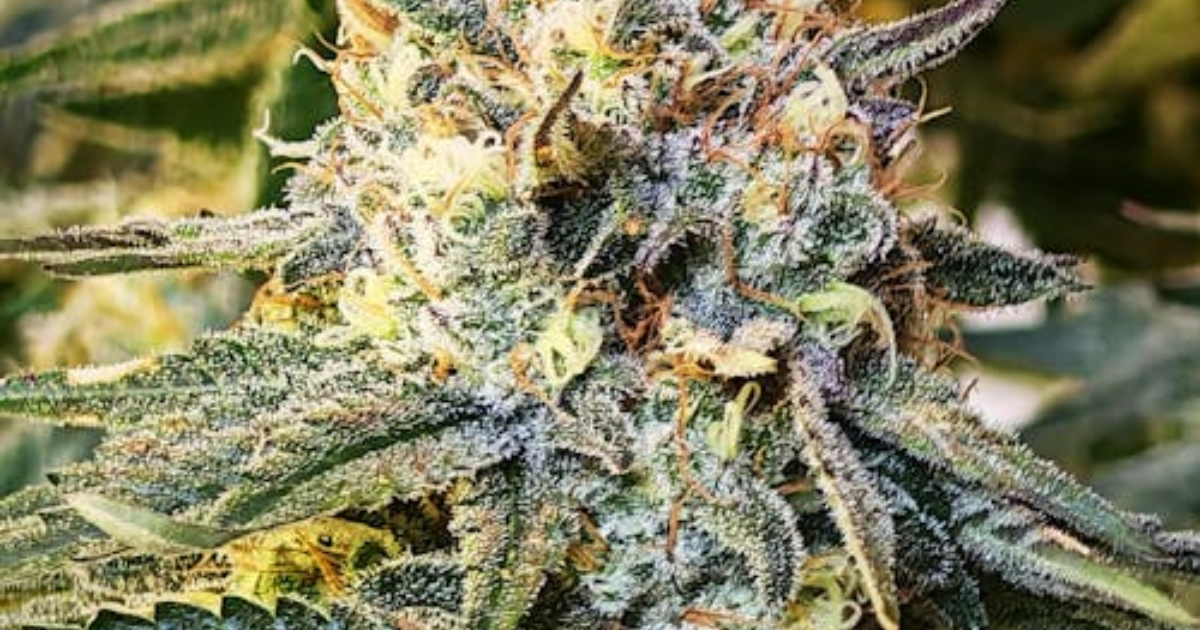
For cannabis plants that produce dense flowers, these conditions can trap moisture inside buds and allow mold to develop quickly.
That’s why mold prevention should begin months before flowering begins.
Start With Mold-Resistant Genetics
One of the most effective ways to reduce mold risk is selecting the right genetics.
Different cannabis strains vary significantly in their resistance to mold and moisture.
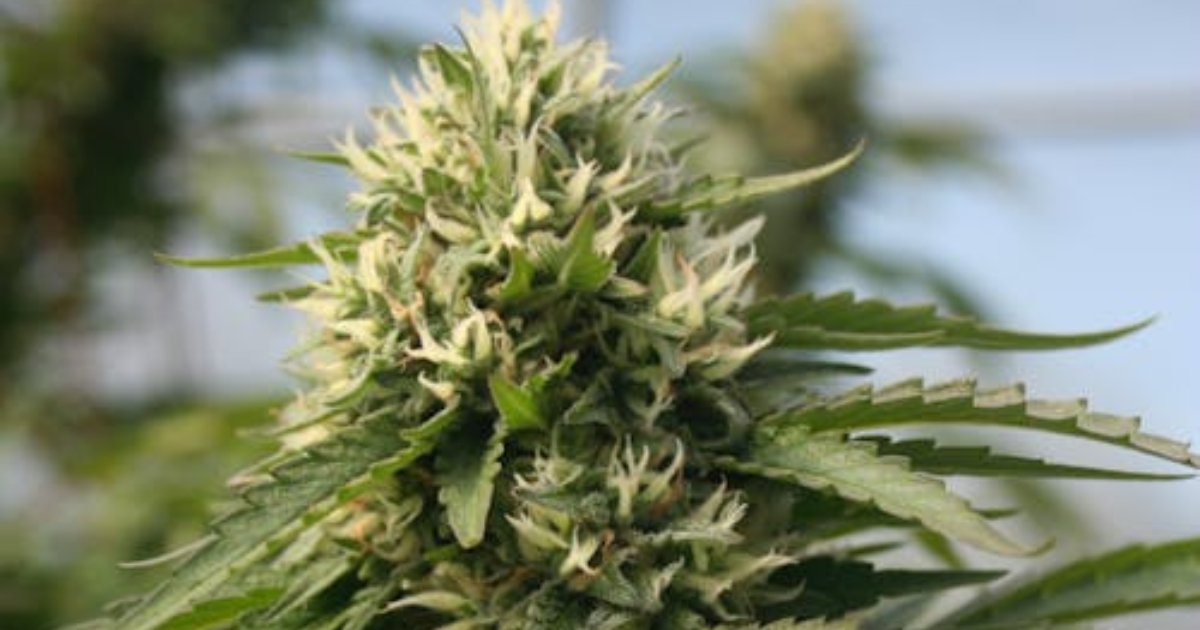
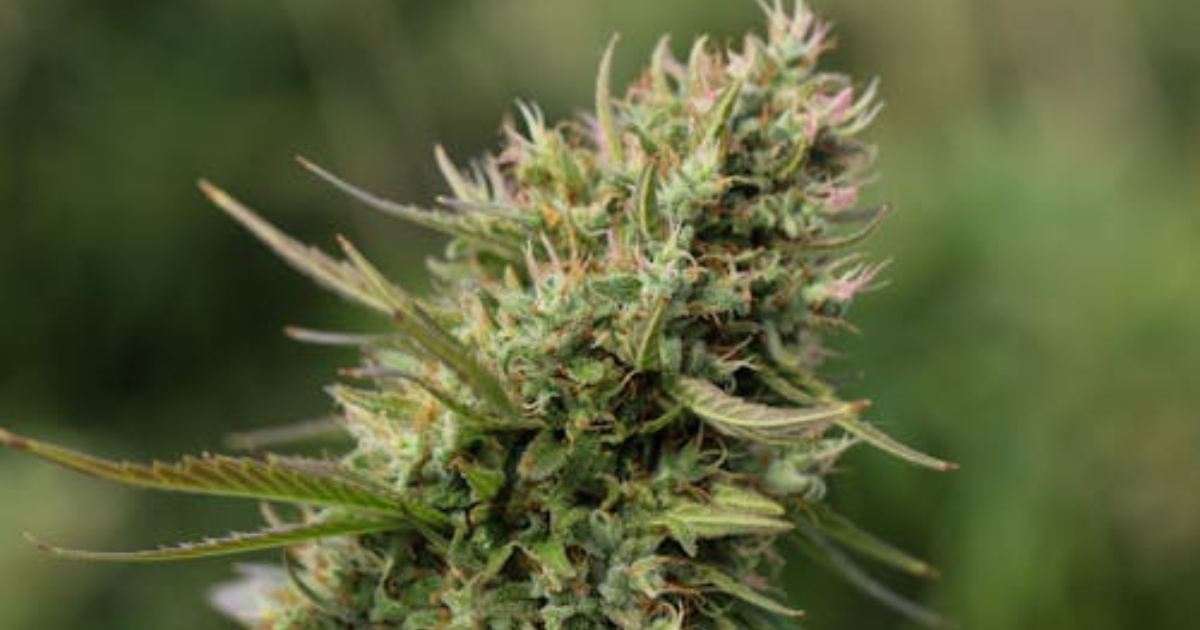
Some strains naturally produce looser flower structures, allowing better airflow through the buds. Others grow extremely dense flowers that can trap humidity.
In Canadian outdoor environments, strains that flower quickly and finish early tend to face fewer mold problems.
This guide explains which genetics perform well in Canada’s outdoor climate!
Choosing the right strain doesn’t eliminate mold risk entirely, but it can dramatically reduce it.
Give Plants Enough Space
One of the simplest ways to prevent mold is ensuring that plants have enough room to grow.
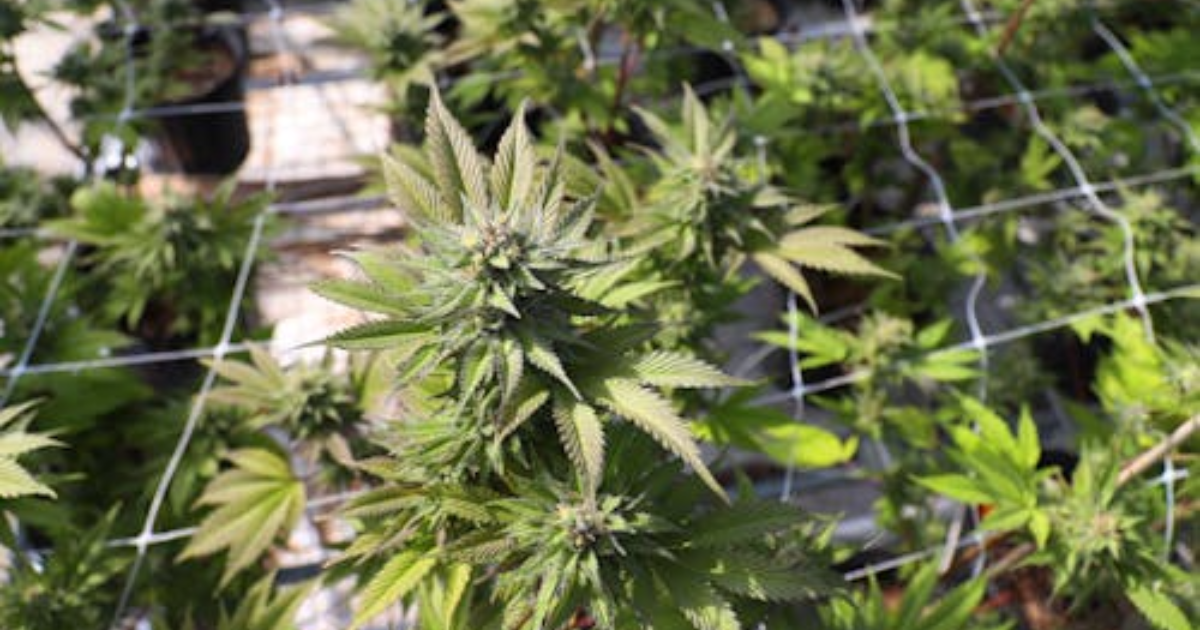
When cannabis plants are placed too close together, they create dense canopies where air circulation becomes limited.
Poor airflow allows moisture to linger between leaves and branches.
Good spacing allows wind and sunlight to move through the canopy, helping plants dry quickly after rain or morning dew.
Many outdoor growers intentionally leave extra space between plants so that airflow remains strong as the plants grow larger.
Manage Plant Structure Early
Plant structure plays a huge role in mold prevention.
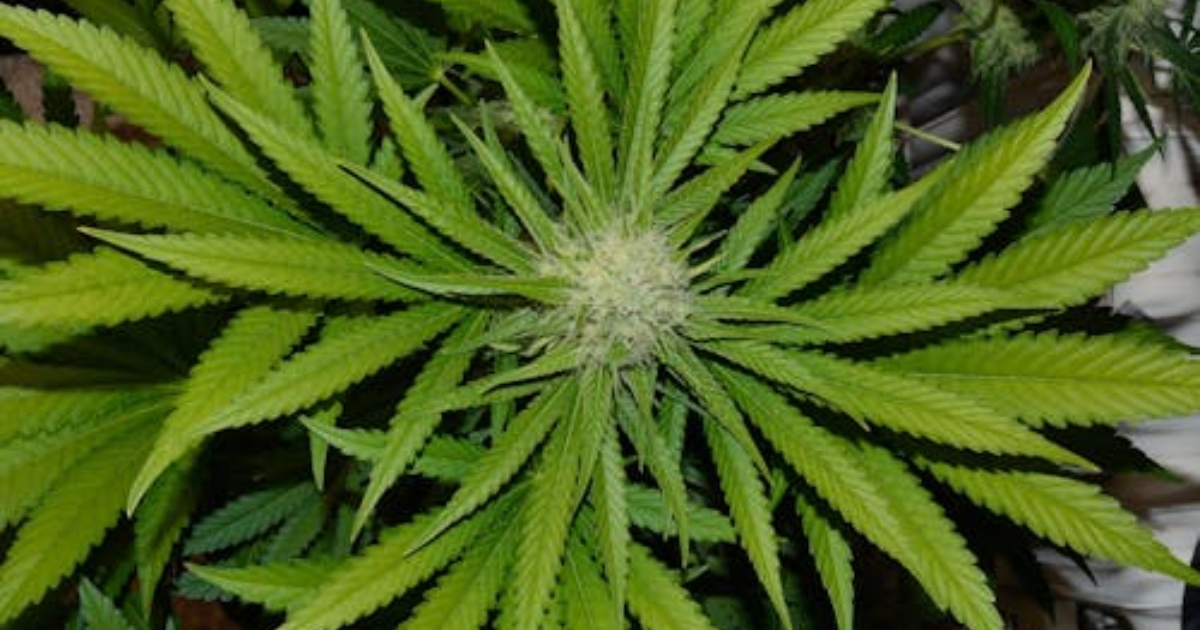
Bushy plants with dense interior growth can trap humidity within the canopy.
Growers often reduce this risk by managing plant structure early in the vegetative stage.
Common techniques include:
- removing excess lower branches
- thinning dense interior growth
- training branches outward
These techniques allow light and air to reach deeper into the plant.
The goal isn’t to make the plant smaller — it’s to make the canopy more open and breathable.
Plants that develop balanced structure during early growth usually handle humid conditions much better later in the season.
Keep the Lower Canopy Clean
The lower portion of the plant often receives the least sunlight and airflow.
As a result, moisture tends to linger longer in this area.
Many growers reduce mold risk by removing lower leaves and small interior branches during early growth.
This practice improves airflow and prevents shaded areas where humidity can accumulate.
By the time flowering begins, the plant’s structure is already optimized for better ventilation.
Avoid Overwatering
Excess moisture around the root zone can also contribute to mold-friendly conditions.
Outdoor growers sometimes assume that cannabis plants require heavy watering, especially during warm weather.
In reality, cannabis prefers soil that drains well and allows roots to access both water and oxygen.
Overwatering can create overly humid soil environments and slow root development.
Healthy roots allow plants to regulate water uptake more efficiently, which supports balanced growth throughout the season.
Prevent Pest Damage Early
Pest damage may seem unrelated to mold at first, but the two problems are often connected.
Insects can create small wounds in plant tissue. These damaged areas sometimes become entry points for fungal infections.
Some pests also leave behind sticky residue that can trap moisture and promote fungal growth.
Keeping plants pest-free early in the season helps prevent additional stress later.
This guide explains how growers reduce pest and disease risks when working with cannabis clones!
Healthy plants are naturally more resistant to both pests and fungal diseases.
Protect Young Plants From Early Stress
Another factor that affects mold resistance later in the season is early plant stress.
Clones exposed to cold temperatures or poor environmental conditions in spring may develop weaker growth patterns.
Weak plants often produce uneven branching and weaker airflow through the canopy.
Cold temperatures in particular can slow early root development.
This guide explains how temperature affects cannabis clones in early spring!
When plants establish strong growth early in the season, they tend to develop healthier structure that naturally resists mold later on.
Choose Planting Locations Carefully
Where plants are placed outdoors can also influence mold risk.
Some locations naturally hold more humidity than others.
Areas surrounded by trees or tall structures may block airflow and trap moisture.
Ideally, outdoor cannabis plants should be placed in locations that receive:
- strong sunlight
- consistent airflow
- good soil drainage
Wind may seem inconvenient at times, but it plays an important role in keeping plant surfaces dry.
A breezy location can significantly reduce the amount of moisture that remains on leaves and flowers.
Plan for the End of the Season Early
One of the most overlooked strategies for preventing mold is simply finishing earlier.
Strains that finish before heavy fall rain arrives are far less likely to develop mold problems.
Some growers plan their entire season around this idea by choosing genetics that flower quickly and complete their cycle before late autumn weather becomes unpredictable.
This strategy allows growers to harvest high-quality flowers while avoiding the most dangerous mold conditions of the season.
Final Thoughts
Mold prevention isn’t something that begins during flowering.
In reality, the foundation for mold resistance is built much earlier in the growing season.
By choosing suitable genetics, managing plant structure, maintaining airflow, and preventing early stress, growers can dramatically reduce mold risk before buds even begin forming.
Outdoor cannabis in Canada will always face environmental challenges, especially during the fall.
But growers who plan ahead and create healthy growing conditions early in the season give their plants the best chance to finish cleanly and produce a successful harvest.