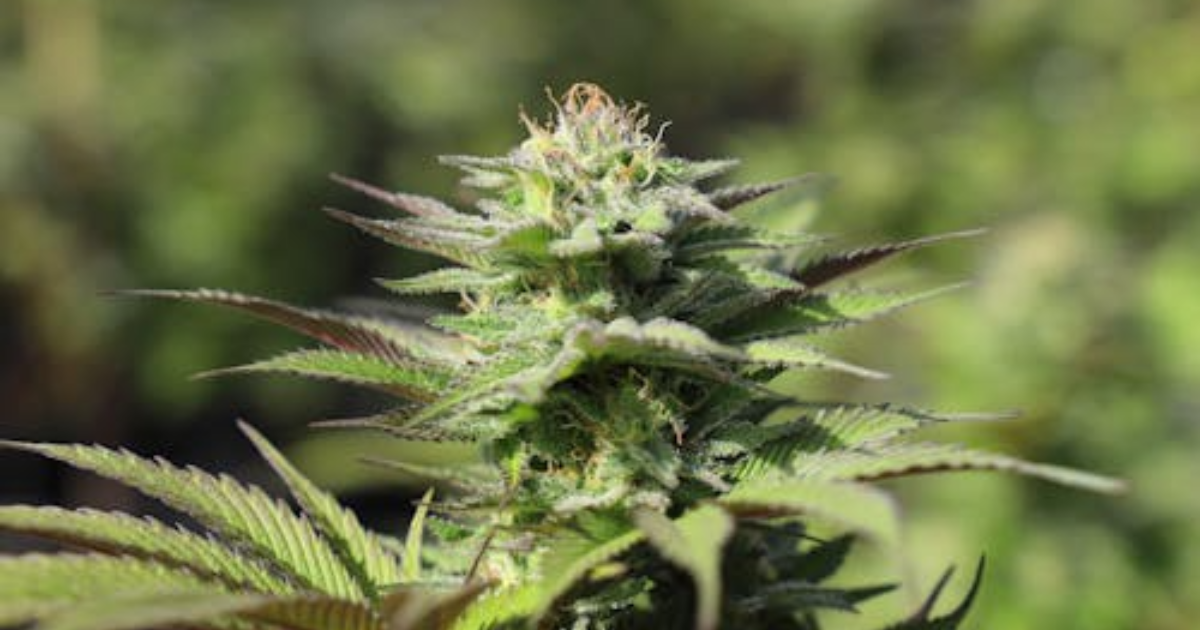
Outdoor cannabis growers quickly realize that the plants don’t grow on a fixed schedule.
Instead, they respond to the environment around them.
Sunlight hours, temperature patterns, and seasonal changes all influence when cannabis begins flowering and how quickly it matures.
In Canada—where weather patterns can change quickly—understanding these environmental signals can make a huge difference in how successful an outdoor grow becomes.
Let’s take a closer look at how Canadian weather patterns influence cannabis flowering.
Before moving ahead, don’t forget to check our Outdoor Spring Bundle Pack 1 and Outdoor Spring Bundle Pack 2, curated specifically for the spring season!
Cannabis Is Controlled by Photoperiod
The most important factor triggering flowering in cannabis is photoperiod, which means the length of daylight each day.
Cannabis is a short‑day plant. This means it begins flowering when nights become longer and daylight hours begin to decrease.
Scientific studiesshow that cannabis flowering is commonly triggered when plants experience about 12 hours of darkness, which signals the plant to shift from vegetative growth to reproductive growth.
Outdoors, this shift occurs naturally as summer progresses.
Daylight Changes Through the Canadian Season
Canada’s northern latitude means daylight hours change dramatically between summer and fall.
During mid‑June, many Canadian regions experience over 15 hours of daylight per day.
By August and September, daylight hours begin dropping rapidly.
This gradual change signals cannabis plants to start forming flowers.
Most outdoor cannabis plants in Canada begin noticeable flowering sometime between late July and mid‑August.
Temperature Influences Flower Development
While daylight triggers flowering, temperature affects how quickly flowers develop.
Cannabis flowers develop best in moderate temperatures.
Research suggests optimal flowering conditions generally fall between 20–26°C during the day, with slightly cooler nights.
When temperatures fall too low, plant metabolism slows down and flower development may become sluggish.
This is why outdoor cannabis in Canada often slows its growth during cool fall nights.
Heat Can Also Affect Flowering
While cold temperatures slow growth, excessive heat can also affect cannabis plants.
Studies on medical cannabis have shown that high air temperatures can reduce plant metabolite yield and alter flower production, depending on the genetic variety.
Extreme heat can stress plants and reduce flower density or cannabinoid production.
Fortunately, most Canadian outdoor climates rarely experience sustained extreme heat during late flowering.
Humidity Influences Flower Structure
Humidity is another major environmental factor affecting cannabis flowering.
High humidity levels can influence plant development and increase the risk of fungal diseases.
Research examining cannabis grown under different humidity conditions found that high relative humidity significantly affected flower development and plant growth compared with lower humidity environments.
Because Canadian regions often experience rising humidity toward the end of summer, growers must pay attention to airflow and plant structure to avoid moisture buildup.
Rainfall Patterns Matter Too
Rain may not directly control flowering—but it has a major effect on flower quality.
Prolonged rain during late flowering can lead to:
- trapped moisture inside buds
- fungal infections
- bud rot development
Dense cannabis flowers can hold moisture for long periods after rain.
If airflow is limited, those damp conditions may allow fungal pathogens to develop.
Regional Weather Differences Across Canada
Weather patterns vary widely across Canadian provinces.
For example:
- British Columbia often experiences humid coastal weather in fall
- Ontario and Quebec frequently see heavy dew and morning fog
- Prairie provinces may have dry summers but sudden early frost
These regional differences mean flowering timelines may vary slightly depending on location.
Growers who understand their local climate can plan genetics and planting dates more effectively.
Wind and Airflow Help Protect Flowering Plants
While rain and humidity increase mold risk, wind can help protect flowering plants.
Moving air helps dry leaves and flowers after rain or dew.
It also prevents humidity from building up within the canopy.
Outdoor growers often notice that plants growing in breezy locations experience fewer mold issues compared with plants growing in sheltered, stagnant environments.
Seasonal Timing Is Everything
Because cannabis flowering is linked to daylight cycles, outdoor growers cannot easily change when plants start flowering.
However, growers can influence the timing of harvest by selecting different genetics.
Fast‑flowering varieties mature more quickly once flowering begins, allowing growers to harvest earlier in the season.
This strategy helps avoid the worst fall weather conditions.
Final Thoughts
Outdoor cannabis plants are constantly responding to their environment.
Daylight length triggers flowering, temperature affects growth speed, and humidity influences flower health.
Canadian growers who understand these weather patterns can better predict how their plants will behave throughout the season.
By paying attention to environmental signals—and choosing genetics suited to local conditions—growers can guide their plants toward a successful harvest before fall weather becomes too unpredictable.