If you ask experienced outdoor cannabis growers in Canada about the most stressful part of the season, many of them will give you the same answer.
The final three weeks before harvest.
Not the early spring.
Not transplanting season.
Not even the first weeks of flowering.
It’s those last weeks in late September and October when everything suddenly feels uncertain.
The frustrating part is that by this stage, growers have already invested months of work. Plants are large, flowers are forming beautifully, and harvest is finally within reach.
And yet, this is exactly when many outdoor crops are lost.
Understanding why this happens can help growers prepare for the most fragile stage of the entire outdoor season.
Before moving ahead, don’t forget to check our Outdoor Spring Bundle Pack 1 and Outdoor Spring Bundle Pack 2, curated specifically for the spring season!
The Plants Are at Maximum Vulnerability
During the final weeks of flowering, cannabis plants reach their most delicate stage.
Earlier in the season, plants are mostly leaves and stems. Even if something goes wrong, they can recover quickly.
But during late flowering, the plant’s energy is focused almost entirely on producing flowers and resin.
These dense buds create environments where moisture, pathogens, and environmental stress can cause damage very quickly.
At this stage, plants don’t have much time left to recover from problems.
Dense Flowers Create Moisture Traps
One of the main reasons late‑stage plants become vulnerable is the structure of the buds themselves.
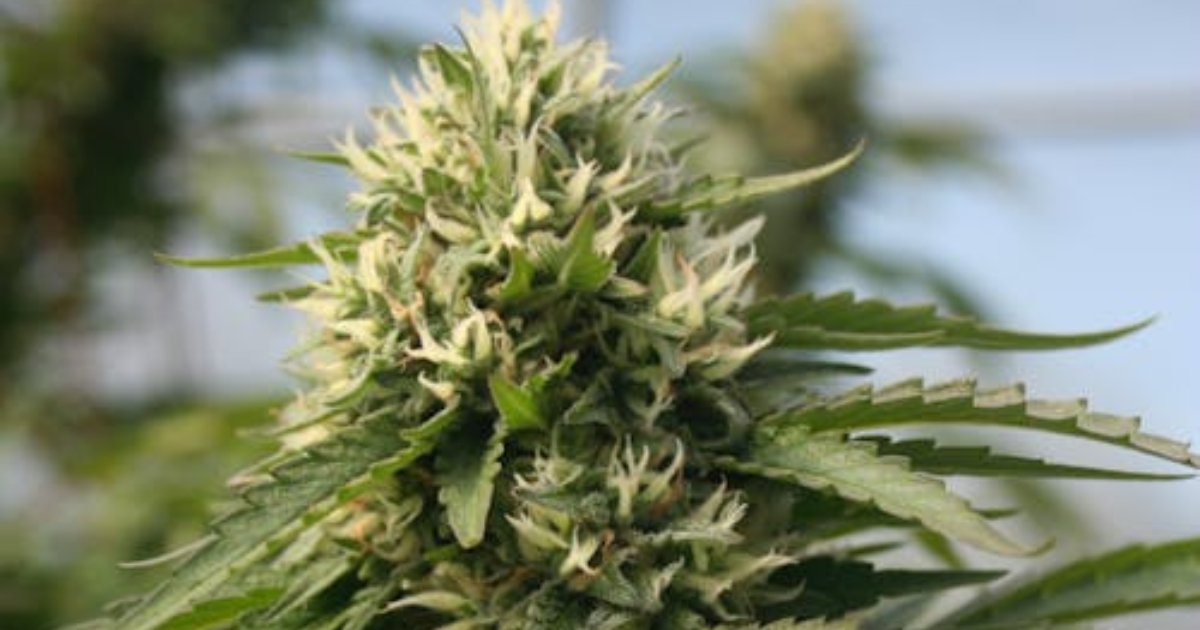
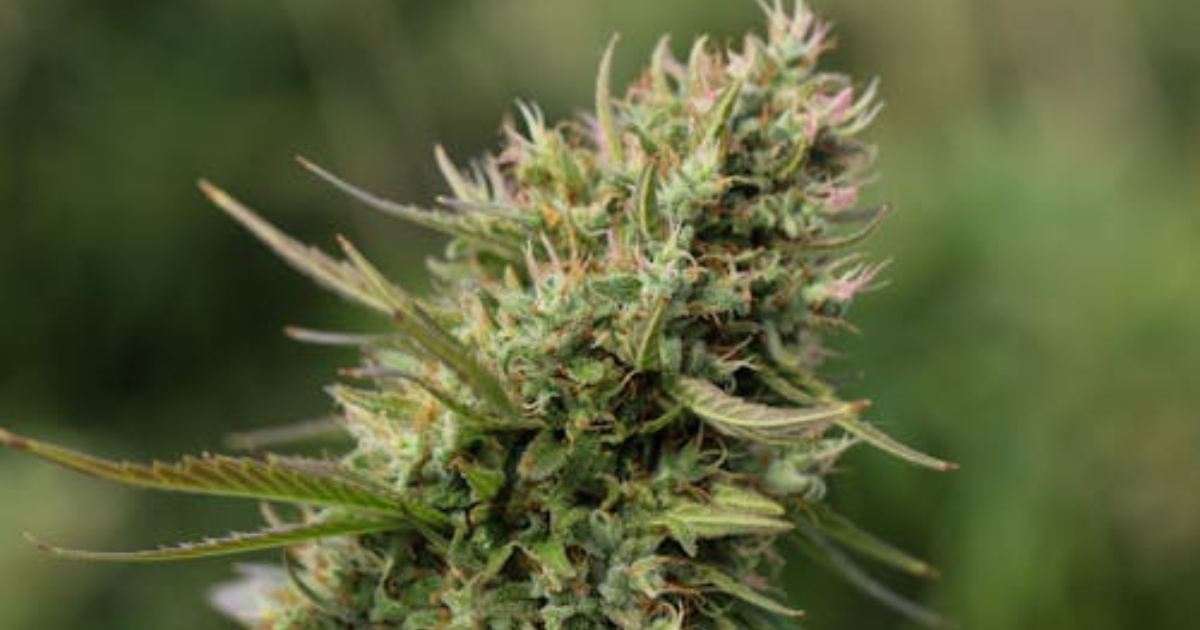
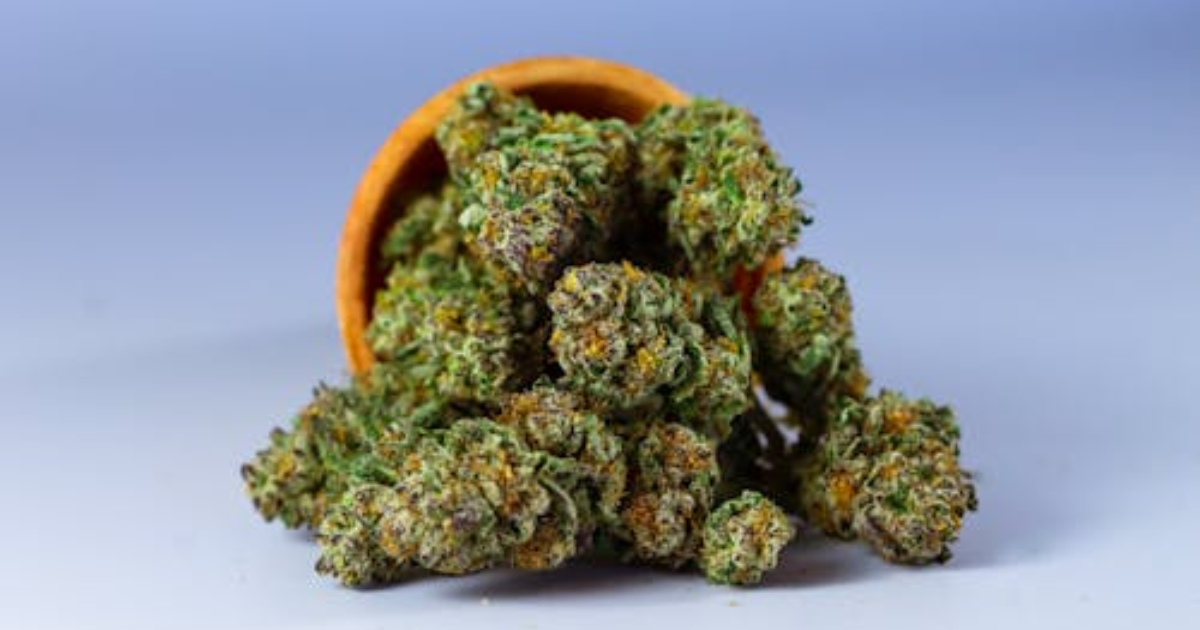
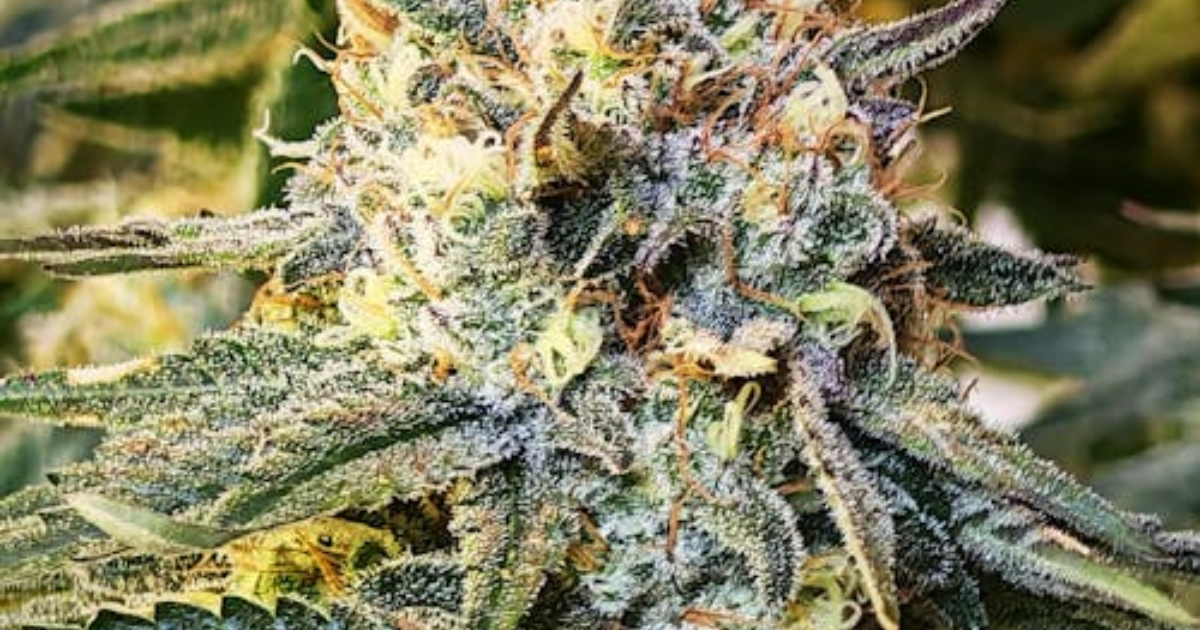
Cannabis flowers grow in tightly packed clusters called inflorescences. As these buds swell, they form dense layers of plant material that trap air and moisture.
Research measuring humidity inside cannabis flowers has shown that relative humidity inside buds can be significantly higher than the surrounding air, sometimes reaching levels that promote fungal growth.
Even when the outside environment appears relatively dry, the inside of a bud can remain humid.
That’s a perfect environment for fungal pathogens.
Bud Rot Appears Quickly
The most common late‑season disaster for cannabis growers is bud rot, caused by the fungus Botrytis cinerea.
This pathogen thrives in environments with:
- high humidity
- moderate temperatures
- poor airflow
Scientific reviews on cannabis pathogens identify Botrytis as one of the most destructive diseases affecting cannabis flowers, particularly during the flowering stage when dense buds form.
Once the fungus infects a flower, it spreads internally through the bud structure.
The worst part is that early infections are often invisible.
Growers may not notice the problem until a bud suddenly turns brown or collapses.
By then, the fungus may already be spreading through nearby flowers.
Weather Becomes Unpredictable
Another reason growers lose crops in the final weeks is that fall weather is extremely unpredictable in Canada.
September can bring warm sunny days followed suddenly by:
- heavy rain systems
- morning fog
- cold nights
- prolonged humidity
These weather swings can occur quickly.
Plants that were perfectly healthy one week may be struggling the next if moisture levels remain high.
Even a few days of persistent humidity can trigger fungal growth in dense flowers.
The Plants Are Too Large to Move
Earlier in the season, growers sometimes protect plants from weather by moving them indoors or covering them temporarily.
But by the final weeks of flowering, outdoor cannabis plants are often too large to relocate easily.
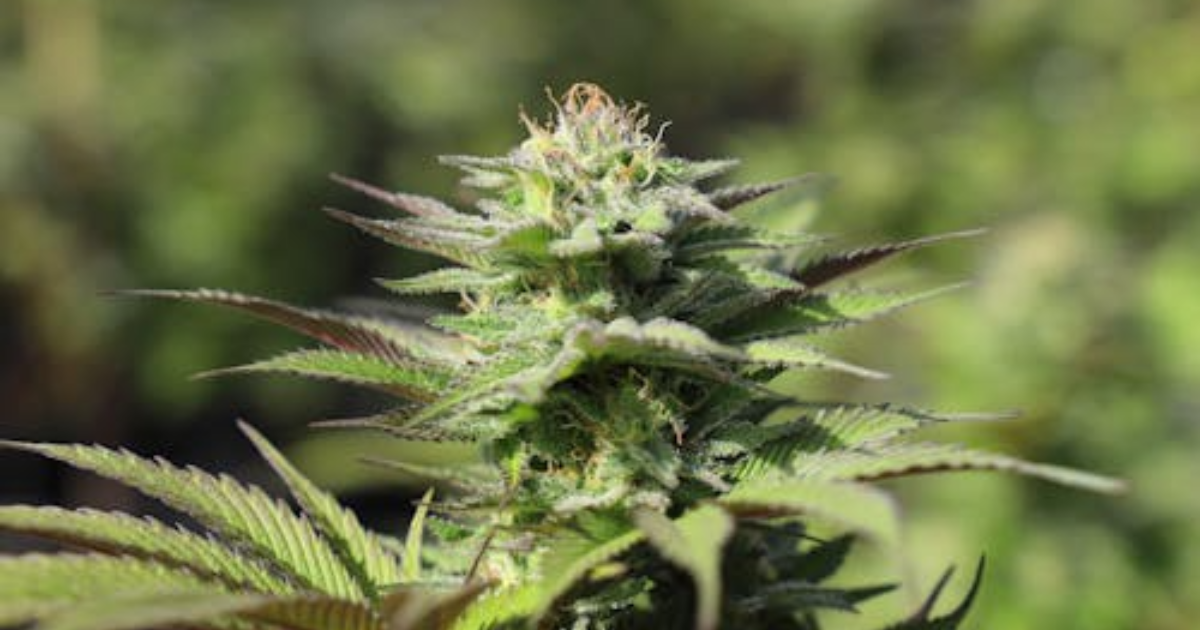
Some plants may be several feet tall with wide branching structures.
This makes it difficult to shield them from rain or humidity once bad weather arrives.
At that point, growers must rely on airflow and harvest timing to protect their crop.
Insects Become More Active Late in the Season
Another overlooked risk during the final weeks is pest pressure.
As temperatures begin cooling, some insects seek shelter inside dense plant structures.
Aphids, caterpillars, and other pests may hide inside buds where they are difficult to see.
Their activity can damage flowers and introduce pathogens.
Once pests reach the inner parts of the buds, removing them becomes difficult without harming the plant.
Small Problems Escalate Quickly
The final weeks are also when small problems escalate rapidly.
For example:
A tiny mold spot can spread through an entire cola.
A branch weakened by wind can snap under the weight of flowers.
A few rainy days can saturate buds with moisture.
Because harvest is so close, there is very little time for plants to recover.
This is why experienced growers inspect their plants much more frequently during late flowering.
Stress Affects Final Flower Quality
Even when plants survive these challenges, stress during the last weeks of flowering can affect flower quality.
Research on cannabis cultivation shows that environmental conditions during late growth stages influence cannabinoid development and terpene production.
When plants experience prolonged stress—such as excessive humidity or temperature swings—flower quality may decline.
This means that even if the crop isn’t lost entirely, its final quality may suffer.
The Last Weeks Are a Race Against Time
For many growers, the final weeks of flowering feel like a race.
They are watching trichomes develop while also monitoring weather forecasts.
Harvesting too early may reduce potential yield.
Waiting too long may risk mold or weather damage.
Balancing these two pressures is one of the most difficult decisions outdoor growers face.
Early Planning Prevents Late Problems
Many growers eventually realize that avoiding late‑season problems starts much earlier in the season.
Choosing faster‑flowering genetics and planting at the right time allows plants to finish before the worst fall weather arrives.
When harvest occurs earlier, the final weeks of stress are significantly reduced.
This proactive approach often makes the difference between a smooth harvest and a stressful one.
Final Thoughts
The last three weeks of the outdoor cannabis season are when crops are most at risk.
Dense flowers trap moisture, fall weather becomes unpredictable, and fungal diseases spread quickly.
Because plants have limited time to recover this late in the season, even small problems can escalate into major losses.
Growers who understand these risks can plan their season more effectively.
And often, the best protection against late‑season disasters begins months earlier—with the right genetics, planting schedule, and harvest timeline.